
Animal
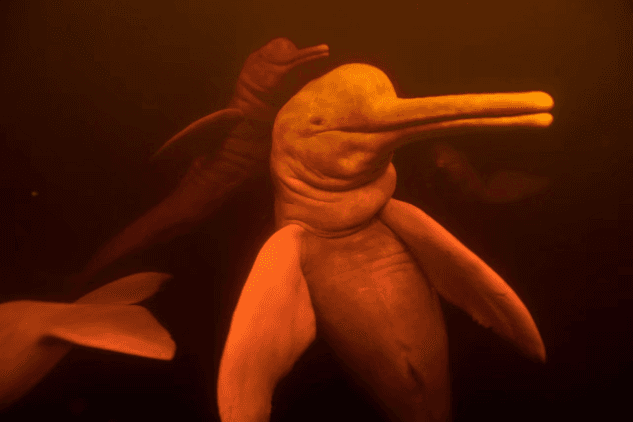
In the depths of the Amazon River, a peculiar phenomenon has captured the attention of scientists: male Amazon river dolphins, or botos, have been observed engaging in "aerial urination," a behavior where they shoot streams of urine into the air. This practice, documented in a recent study, has left researchers both intrigued and perplexed.
The Study
Researchers from the Botos do Cerrado Research Project in Brazil and the CetAsia Research Group in Canada spent 218.9 hours observing these dolphins, witnessing males spurt urine into the air a total of 36 times. Claryana Araújo-Wang, a researcher involved in the study, describes the behavior: "An individual will start to slowly flip belly-up and expose the penis and urinate. When another male is present, he may sometimes chase the urine stream with his rostrum."
Aerial Urination: More Than Just a Quirk?
While this behavior might seem unusual, it's not an isolated incident. Jason Bruck, an associate professor at Stephen F. Austin State University, has been aware of this phenomenon for years and includes it in his talks. The repeated observation of aerial urination suggests that it might serve a purpose beyond mere novelty.
Chemical Communication in the Animal Kingdom
In the animal kingdom, urine is often used for more than just waste elimination. Many species, such as lions and wolves, use urine to mark territory, while others, like female crayfish and lobsters, signal readiness for mating. However, dolphins have lost their sense of smell over time, relying instead on taste for chemical communication.
Speculations on Botos' Behavior
Researchers speculate that aerial urination in botos could have a social or sexual function. Araújo-Wang suggests that it might be a way for males to advertise their quality or status. Since only males have been observed engaging in this behavior, and often in the presence of other males, it could be part of their social-sexual repertoire.
Implications for Conservation
Understanding this behavior is crucial for conservation efforts. If dolphins rely on chemical cues for communication, human pollution could disrupt these signals, affecting their survival and reproduction. Bruck emphasizes the need to recognize the potential for chemical communication in cetaceans and the impact of pollution on these systems.
As scientists continue to unravel the mysteries of aerial urination in Amazon river dolphins, they are reminded of the importance of preserving these creatures and their habitats. The study's findings highlight the need for further research into the complex behaviors of these endangered animals.
Source:
Melissa Hobson, National Geographic https://www.nationalgeographic.com/animals/article/dolphin-aerial-urine-behavior
Image Credit: Kevin Schafer, Nat Geo Image Collection