
Crime
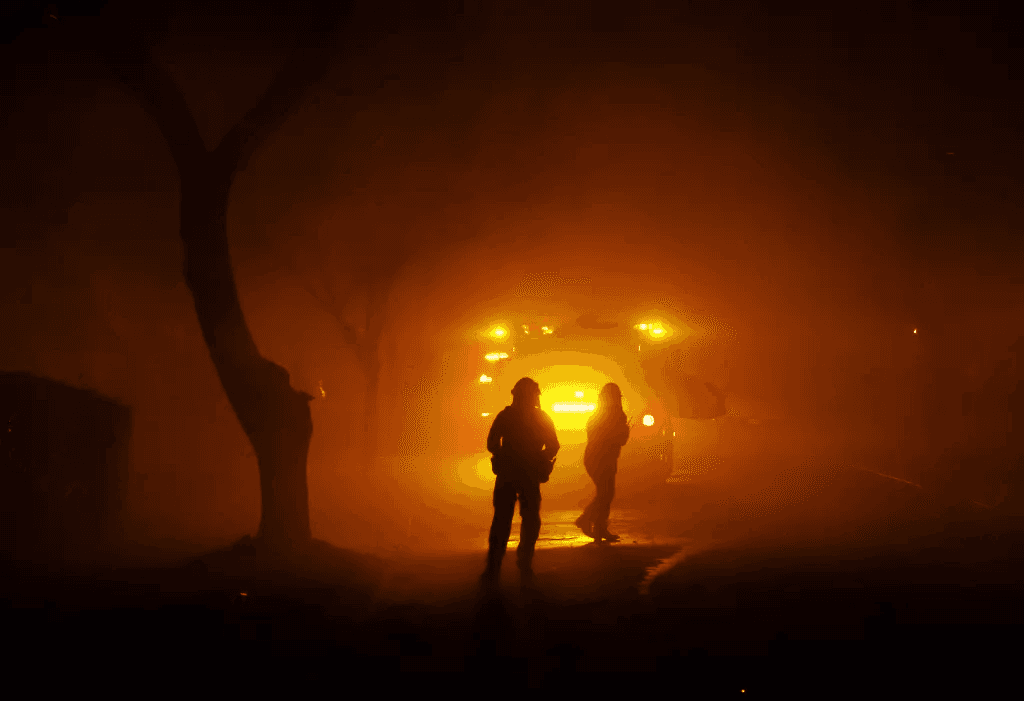
As the embers of the recent wildfires in Los Angeles County continue to smolder, a series of arson arrests has brought attention to a long-standing issue: the connection between homelessness, mental health, and fire. The uptick in arrests, authorities say, is likely due to increased public vigilance during a time when even small fires can have devastating consequences. However, the narrative surrounding these arrests reveals a more nuanced problem, one that intertwines societal challenges with the dangers of fire in extreme weather conditions.
The Misconceptions of Wildfire Origins
California's fire seasons often bring forth misconceptions about the origins of large wildfires. One common assumption is that homeless individuals are frequently responsible for sparking these massive infernos. However, this perception is not supported by evidence. The causes of the recent Palisades and Eaton fires, for instance, remain under investigation, with power lines being considered as a possible ignition source1.
The Reality of Smaller Fires
The recent arrests were not for starting the major wildfires but for smaller, often overlooked fires. These include incidents like burning dried-out Christmas trees, trash, or setting dumpsters ablaze. In one notable case, a man was caught using a blowtorch to incinerate debris in West Hills as the Kenneth fire raged nearby1. These smaller fires, while not as destructive as wildfires, pose significant risks during extreme weather conditions.
Homelessness and Mental Health
Prosecutors and arson investigators note that many of these smaller fires are set intentionally or accidentally by people experiencing homelessness or struggling with mental illness. At least nine suspects in recent arson arrests were unhoused, and five appeared to have mental health issues or substance use problems1. The case of Travis Glodt, whose criminal proceedings were suspended due to competency concerns, highlights the complexities involved1.
Advocacy and Stigma
Advocates like Sara Reyes of the SELAH Neighborhood Homeless Coalition express concern that these arrests will further stigmatize the homeless community. Reyes emphasizes that conflating homelessness with arson does not address the root issues and instead perpetuates harmful stereotypes1. She argues that the focus should be on providing housing and mental health services rather than solely punitive measures.
Legal Challenges
The legal system faces challenges in handling arson cases involving mental health issues. Diversion programs often reject defendants with arson convictions due to safety concerns, leaving prison as the primary alternative. However, this approach does not address the underlying mental health problems1. Assistant Dist. Atty. Maria Ramirez notes that fires set with malicious intent are rare compared to those involving unhoused individuals with untreated mental illnesses1.
A Call for Comprehensive Solutions
As Los Angeles grapples with the aftermath of the wildfires, it is clear that addressing arson requires a multifaceted approach. This includes not only holding individuals accountable but also providing necessary support services for those struggling with homelessness and mental health issues. The recent firestorm has exacerbated these problems, creating a new wave of homeless individuals who lost everything in the fires1. It is a stark reminder that solving the issue of arson in L.A. will require more than just arrests; it demands a commitment to housing, mental health care, and community support.
Source:
James Queally, Clara Harter, and Richard Winton, Los Angeles Times https://www.latimes.com/california/story/2025-02-06/arson-arrests-los-angeles-wildfires
Image Credit: Gina Ferazzi / Los Angeles Times