
Travel
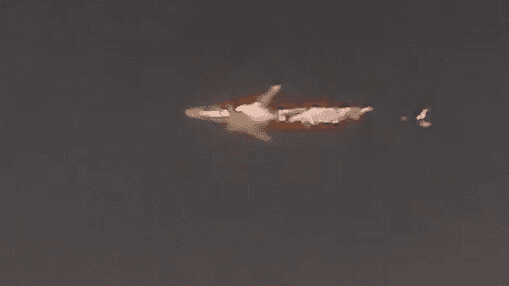
An Atlas Air Boeing 747-8 cargo plane was forced to make an emergency landing at Miami International Airport (MIA) on the night of January 18, 2024, following a dramatic engine failure shortly after takeoff. The incident has prompted investigations by the Federal Aviation Administration (FAA) and the National Transportation Safety Board (NTSB).
Incident Overview
The aircraft, designated Atlas Air Flight 95, departed from MIA en route to Luis Muñoz Marin International Airport in Puerto Rico. Just minutes after takeoff, the crew reported an engine malfunction and declared an emergency. Eyewitnesses captured startling footage of sparks and flames trailing from one of the engines as the plane flew over Miami.
The pilot issued a "Mayday" call, citing an engine fire, and requested immediate clearance to return to the airport. The plane landed safely at approximately 10:30 p.m. ET with no injuries reported among the five people on board.
Damage and Investigations
Post-flight inspections revealed a "softball-sized hole" above one of the engines, according to FAA officials. While initial reports suggested visible flames mid-air, Miami-Dade Fire Rescue confirmed that there was no active fire upon landing. Six fire rescue units were on standby at the airport to address any potential hazards.
Atlas Air released a statement emphasizing that the crew followed standard safety procedures and that a thorough inspection would be conducted to determine the cause of the malfunction. Boeing also confirmed its support for the NTSB investigation, while GE Aviation, the engine manufacturer, has been contacted for further details.
Broader Context
This incident is one of several recent safety concerns involving Boeing aircraft. Earlier in January 2024, a door plug blew out of an Alaska Airlines Boeing 737 Max 9 during flight, leading to an emergency landing. These events have intensified scrutiny on Boeing’s manufacturing processes and safety protocols.
The FAA has launched multiple investigations into Boeing’s operations and increased oversight of its production lines. The NTSB is also evaluating whether systemic issues may have contributed to these recurring incidents.
What’s Next?
Both the FAA and NTSB are working to determine what caused the engine failure on Flight 95. Atlas Air has pledged full cooperation with investigators as they assess whether mechanical faults or maintenance lapses played a role in this alarming event.
Fortunately, no injuries occurred during this emergency landing, but it serves as another reminder of the critical importance of aviation safety measures.
Sources:
Meredith Deliso, ABC News
https://abcnews.go.com/US/atlas-air-boeing-747-cargo-plane-engine-failure/story?id=106515693
Aviation Week Staff, Aviation Week
https://aviationweek.com/air-transport/safety-ops-regulation/atlas-air-747-8f-engine-failure-sparks-investigation
TIME Staff, TIME
https://time.com/6564482/boeing-cargo-plane-miami-emergency-landing-faa/