
Animal
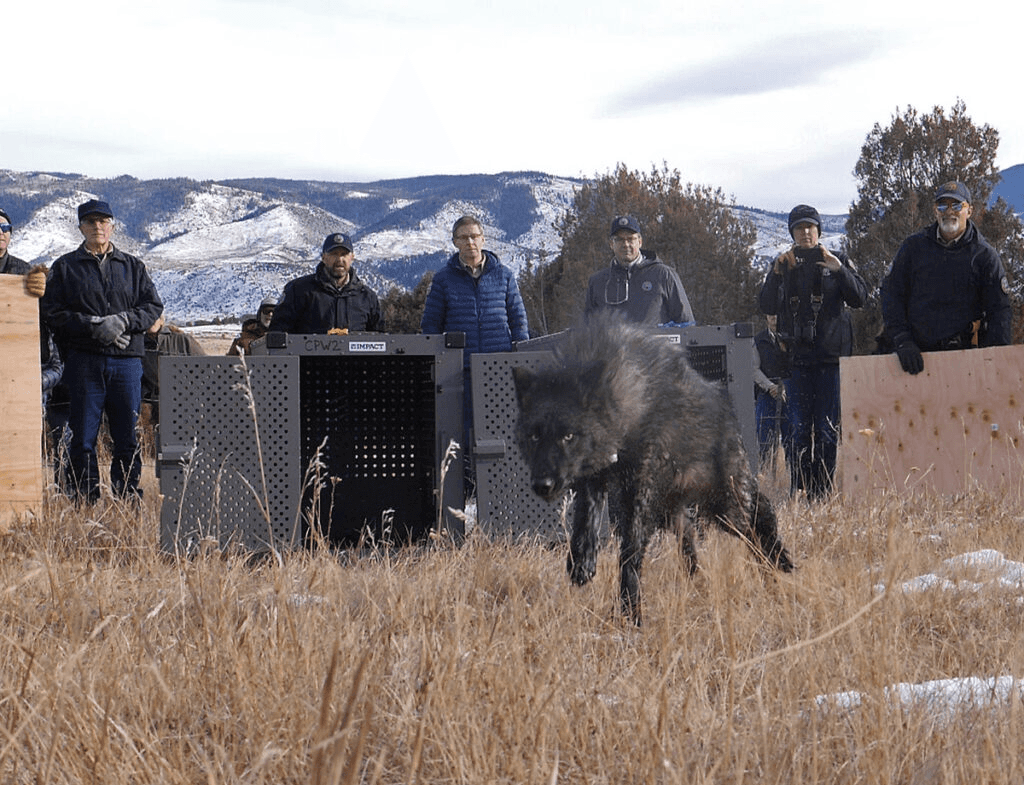
In a significant step towards re-establishing a self-sustaining gray wolf population, Colorado has initiated its wolf reintroduction program, with a recent release of 20 wolves in Pitkin and Eagle counties. This effort follows a voter-approved ballot measure in 2020, which mandated the state to restore wolves west of the Continental Divide. The program aims to balance the ecological benefits of wolf reintroduction with the concerns of local ranchers and communities.
Background on the Program
Colorado's wolf reintroduction program began in December 2023 with the release of 10 wolves from Oregon in Grand and Summit counties. However, conflicts between wolves and livestock quickly emerged, leading to calls from ranchers to pause the program. Despite these challenges, the Colorado Parks and Wildlife (CPW) Commission voted to continue the reintroduction efforts, denying a petition from livestock producers to halt the program2.
Recent Developments
In January 2025, CPW captured and released 20 gray wolves from British Columbia, including seven males and eight females, in Pitkin and Eagle counties. This second round of releases is part of a broader strategy to establish a robust wolf population in Colorado. The decision to source wolves from British Columbia was influenced by the fact that these wolves have no history of interacting with livestock, potentially reducing conflicts with ranchers24.
Additionally, five members of the Copper Creek pack, which had been involved in livestock depredations, were re-released together. This decision was made to ensure the survival of the pups by keeping them with their mother, who can teach them essential hunting skills1.
Economic and Ecological Impacts
The reintroduction of wolves is expected to have both economic and ecological benefits. A study by Colorado State University suggests that the annual benefits from wolf conservation could reach about $115 million, primarily benefiting areas like the Front Range where tourism and wildlife viewing are significant3. However, these benefits are largely intangible, such as the "warm glow" effect from knowing wolves are present in the state.
On the other hand, ranchers face potential losses due to wolf attacks on livestock. To mitigate these risks, CPW is working with ranches to implement coexistence strategies and has hired range riders to monitor and prevent depredations6.
Challenges Ahead
As more wolves are introduced, managing conflicts between wolves and livestock remains a critical challenge. CPW is using GPS tracking collars to monitor wolf movements and predict potential conflicts, aiming to establish stable pack territories that can help reduce depredations46.
The program's success will depend on balancing these competing interests while ensuring the long-term survival of the wolf population. If the population reaches 50 wolves and sustains that number for four years, CPW could consider delisting the species from endangered to threatened status4.
Conclusion
Colorado's wolf reintroduction program represents a complex effort to restore a vital component of the state's ecosystem while addressing the concerns of local communities. As the program continues, it will be crucial to monitor its impacts and adapt strategies to ensure the coexistence of wolves and human activities.
Main Image:
A gray wolf in a snow-covered field in British Columbia.
Source: Colorado Parks and Wildlife via The Colorado Sun.
Sources:
Jason Blevins, The Colorado Sun
https://coloradosun.com/2025/01/19/gray-wolves-british-columbia-colorado-reinstroduction/Colorado State University
https://libarts.source.colostate.edu/balancing-the-economic-wins-losses-from-the-reintroduction-of-wolves/RMPBS
https://www.rmpbs.org/blogs/colorado-experience/wolf-news-2025CPR News
https://www.cpr.org/2025/01/14/colorado-releasing-more-wolves-explained/CPR News
https://www.cpr.org/2024/11/27/bounty-to-catch-wolf-poachers/