
Science
Animal
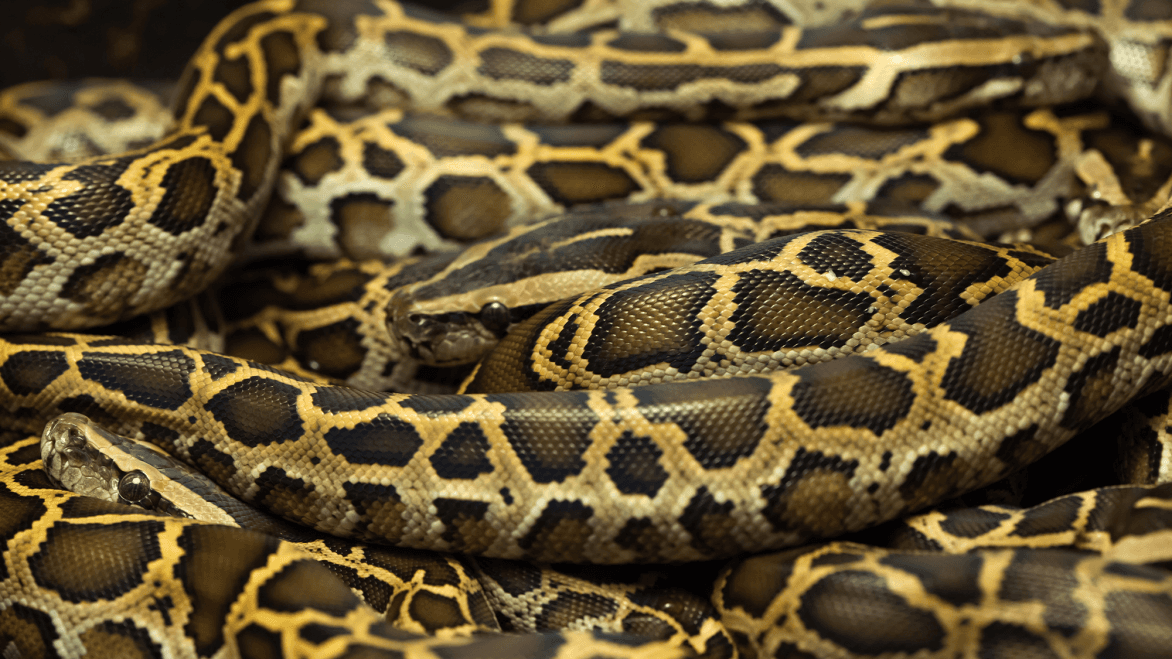
In the quest for sustainable food sources, scientists are turning to an unexpected candidate: the python. These massive reptiles, known for their impressive lengths of up to 20 feet, could provide a low-emission alternative to traditional livestock. A recent study published in Scientific Reports suggests that farmed pythons could offer a solution to the environmental challenges posed by conventional meat production.
The Case for Python Farming
Pythons are not venomous and are considered a delicacy in some Southeast Asian countries, where they are valued for their high-protein white meat. The practice of farming snakes for meat is growing, with large barns equipped with "sun traps" to mimic their natural habitat. These farms not only produce meat but also utilize the snakes' skins, fat, and bile.
The study, conducted by a team of scientists from Vietnam, Australia, England, and South Africa, examined over 4,600 pythons on commercial farms in Thailand and Vietnam. They focused on two species: the reticulated python and the Burmese python. The snakes were fed a diet of locally sourced food, including pork byproducts, fish pellets, and rodents. Interestingly, baby pythons were fed "sausages" made from waste protein, which led to faster growth without impacting their health.
Sustainability and Efficiency
One of the key advantages of python farming is its efficiency. Pythons grow rapidly, reaching slaughter weight within their first year, and they require less food than traditional livestock. This results in a favorable feed conversion ratio, meaning they produce more meat per unit of feed consumed. Additionally, reptiles like snakes generate fewer greenhouse gases and produce minimal waste compared to mammals.
"Snakes require minimal water and can even live off the dew that settles on their scales in the morning," noted Daniel Natusch, a study co-author and herpetologist at Macquarie University. "They need very little food and will eat rodents and other pests attacking food crops."
Conservation Concerns and Opportunities
While there are concerns about the potential impact of commercial snake farming on wild snake populations, Natusch argues that it could provide a financial incentive for local communities to engage in sustainable practices. Some farms outsource baby pythons to villagers, who raise them on local rodents and scraps before selling them back to the farm.
In regions like Florida's Everglades, where Burmese pythons are considered an invasive species, encouraging consumption could help manage populations. However, it may take time for python meat to become widely accepted in other parts of the world.
"I think it will be a long time before you see Python burgers served up at your favorite local restaurant here [in Australia]," Natusch said.
Source:
Laura Baisas, Popular Science https://www.popsci.com/environment/eating-more-python/
Image Credit: Deposit Photos