
Tech
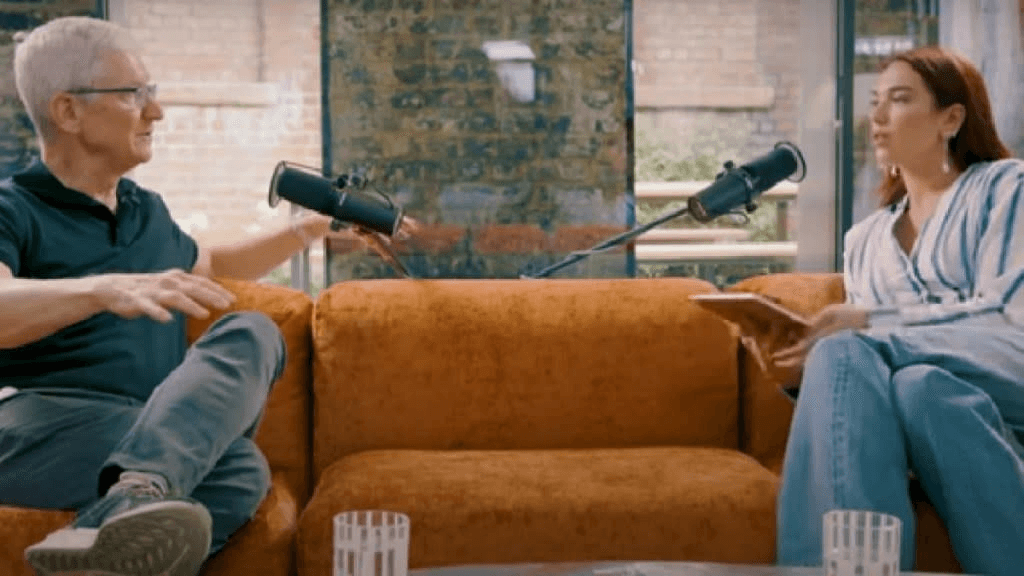
In a recent podcast interview on her show "Dua Lipa: At Your Service," singer Dua Lipa posed a critical question to Apple CEO Tim Cook regarding the use of child labor in mining cobalt for Apple products. Specifically, Lipa asked if she could be assured that the cobalt in her new iPhone 15 was not mined using child labor in the Democratic Republic of Congo (DRC), a region notorious for such practices123.
Tim Cook's Response
Cook responded confidently, stating, "Yes, we can," guarantee that child labor was not involved in the mining of cobalt for the iPhone. He emphasized Apple's commitment to using recycled materials, highlighting that the company already uses 100% recycled cobalt in some Apple Watch models. Cook also explained that for products requiring newly mined materials, Apple employs rigorous supply chain tracing to ensure that no child labor is used123.
Background and Skepticism
The issue of child labor in cobalt mining has been a longstanding concern for tech companies, including Apple. In the past, Apple faced criticism and legal challenges related to its suppliers' use of child labor. For instance, in 2019, Apple was among several tech giants accused of complicity in the deaths of children working in Congolese cobalt mines12.
Many have expressed skepticism about Cook's assurances, questioning whether Apple's tracing systems are truly effective across complex global supply chains. Some critics suggest that the interview might have been staged as a PR move, with Lipa's questions potentially approved in advance134.
Apple's Future Plans
Apple has announced plans to increase its use of recycled materials, aiming to reduce reliance on newly mined resources. By 2025, the company intends to use 100% recycled cobalt in its batteries, which aligns with its broader strategy to minimize environmental impact and ethical concerns5.
Conclusion
While Tim Cook's response aimed to reassure consumers about Apple's commitment to ethical sourcing, the company's history and the complexity of global supply chains leave room for skepticism. As consumers become increasingly aware of ethical issues in tech production, companies like Apple face ongoing scrutiny to ensure their practices align with their public commitments.
Sources: