
Politics
Elon Musk, the billionaire CEO of Tesla and SpaceX, has been making headlines with his role in the Department of Government Efficiency, or DOGE, under President Trump. However, his deep ties with China, a crucial market for Tesla's profitability, have raised significant concerns about conflicts of interest. Musk's reliance on China for Tesla's financial success has critics questioning whether his loyalty lies with the U.S. government or his business interests.
Tesla's China Connection
Tesla's Shanghai Gigafactory, which began operations in 2020, has been instrumental in turning the company's financial fortunes around. Unlike other foreign automakers, Tesla was granted permission to wholly own its plant in China without a local partner, a rare privilege. This special treatment, combined with cheaper labor and materials, has made the Shanghai facility a key contributor to Tesla's profitability.
Musk's relationship with China's leadership dates back to 2015 when he pitched the idea of opening a Tesla plant in the country. He has since maintained a warm rapport with Chinese officials, including Premier Li Qiang, who was instrumental in approving the Shanghai plant. Musk's recent meeting with Chinese Vice President Han Zheng further solidified Tesla's commitment to strengthening economic ties with China.
Conflict of Interest Concerns
Critics argue that Musk's dual roles as a business leader and a government advisor create glaring conflicts of interest. Senator Richard Blumenthal of Connecticut has demanded information on Tesla staffers working for DOGE and federal contracts received by Tesla, citing potential violations of federal law1. The concern is that Musk could use his position to benefit Tesla, potentially at the expense of U.S. interests.
Retired Lt. General Russel Honoré has also voiced concerns about Musk's ties to China, suggesting that the Chinese Communist Party could exert pressure on him to serve their interests. Honoré noted that Musk is "sworn to nothing but his bank account," highlighting the lack of accountability and oversight in his role at DOGE.
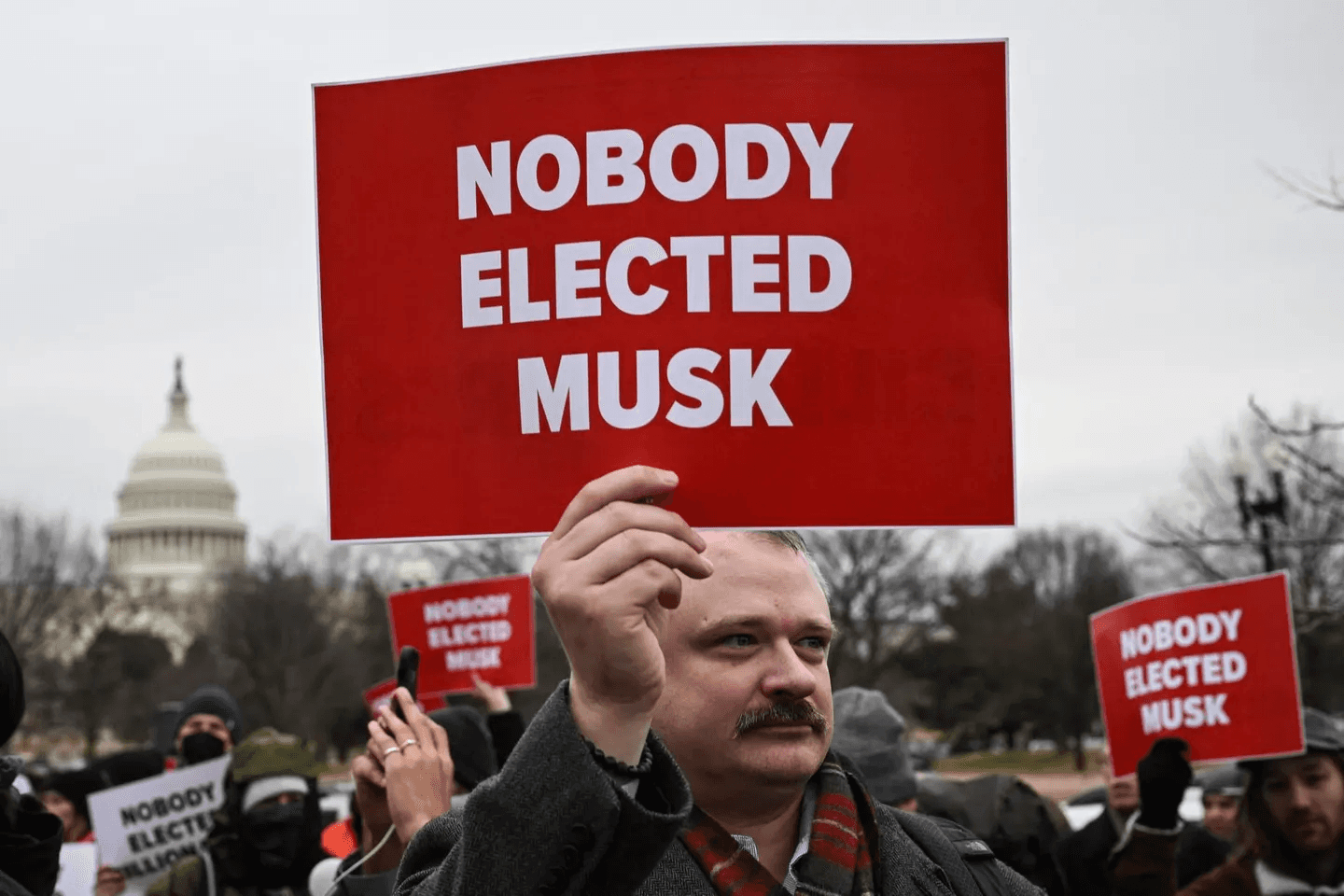
Public Backlash and Legislative Response
Public approval of Musk's role in DOGE has dropped significantly, with 46% disapproving and 41% approving, according to a recent survey1. In response to these concerns, Rep. Mark Pocan introduced the Eliminate Looting of Our Nation by Mitigating Unethical State Kleptocracy (ELON MUSK) Act, which aims to ban special government employees from receiving federal contracts.
Future Uncertainty
While Tesla's reliance on China is currently high, the company faces increasing competition from local EV makers like BYD. If Tesla's market share in China declines, it could reduce Musk's need to appease Chinese authorities, potentially easing some of the conflict of interest concerns. However, until then, Musk's position at DOGE remains a contentious issue, with many calling for greater transparency and accountability.
Source:
Alan Ohnsman, Forbes forbes.com/sites/alanohnsman/2025/02/06/elon-musk-china-ties-doge-conflict-of-interest/