
Science
Tech
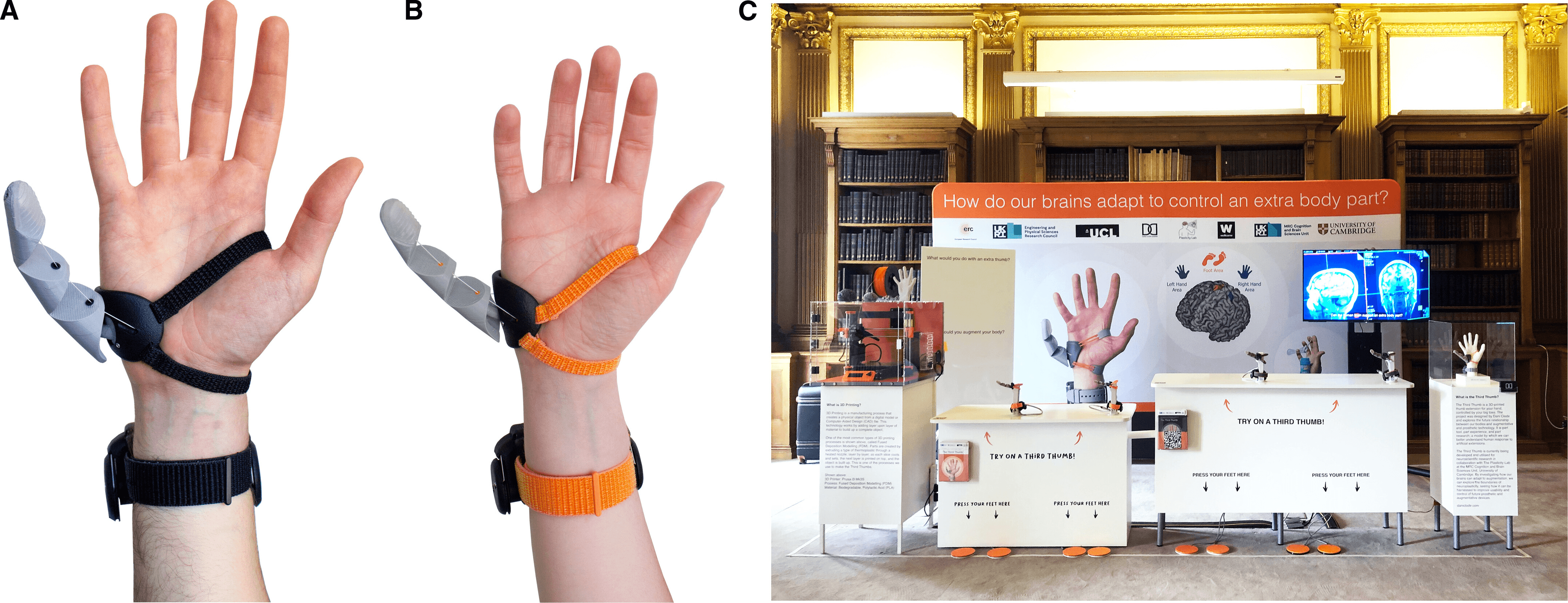
In the rapidly evolving landscape of human-machine interaction, motor augmentation technologies are poised to redefine the boundaries of human capability. These innovations, such as wearable devices and robotic enhancements, promise to enhance productivity, safety, and quality of life across various industries and populations. However, the success of these technologies hinges on their ability to seamlessly integrate with diverse user needs and preferences. The Third Thumb, a pioneering hand augmentation device, has taken a significant step towards achieving this goal by demonstrating remarkable inclusivity in its design and usability.
The Challenge of Inclusivity in Technology
The integration of technology into our lives has highlighted the importance of inclusive design. Past technological advancements have often overlooked diversity, leading to biases and inequities. For instance, speech recognition systems have shown racial disparities, and augmented reality technologies have struggled with darker skin tones. Similarly, physical technologies like car seats and industrial tools have been designed with a "one-size-fits-all" approach, neglecting the needs of women, teenagers, disabled individuals, and the elderly.
The Third Thumb: A Beacon of Inclusive Design
The Third Thumb, designed by Dani Clode, is a 3D-printed device that extends the motor abilities of a fully functional hand. It was showcased at the Royal Society Summer Science Exhibition, where it underwent extensive testing with a diverse group of participants. The results were astounding: 99.3% of the 596 individuals tested, ranging from 3 to 96 years old, successfully used the device. Moreover, 98% of participants were able to manipulate objects with the extra thumb within the first minute of use, with no significant differences based on gender, handedness, or hand-related hobbies.
Lessons from the Third Thumb
The success of the Third Thumb highlights several key lessons for the development of inclusive technologies:
Diversity in Testing: The device was tested with a broad demographic, ensuring that its design accommodated various age groups, genders, and abilities. This approach is crucial for identifying and addressing potential biases early in the development process.
Public Engagement: Public events provided a platform for bidirectional discourse between developers and potential users, fostering a co-creative process that enhances the technology's accessibility and usability.
Performance Across Age Groups: While younger children faced challenges, older adults performed comparably to younger adults, albeit with some age-related costs. This suggests that motor augmentation technologies can be beneficial across a wide age range, but may require adjustments for different age groups.
The Future of Motor Augmentation
As motor augmentation technologies continue to evolve, the importance of inclusivity cannot be overstated. By prioritizing diverse user needs and preferences from the outset, developers can ensure that these innovations benefit society as a whole. The Third Thumb serves as a compelling example of how inclusive design can lead to groundbreaking technological advancements that enhance human capabilities for everyone.
Source:
Dani Clode, Lucy Dowdall, Edmund Da Silva, Klara Selén, Dorothy Cowie, Giulia Dominijanni, Tamar R. Makin, Science Magazine https://www.science.org/doi/10.1126/scirobotics.adk5183
Image Credit: Curtesy of Third Thumb at the Royal Society Summer Science Exhibition 2022.