
Science
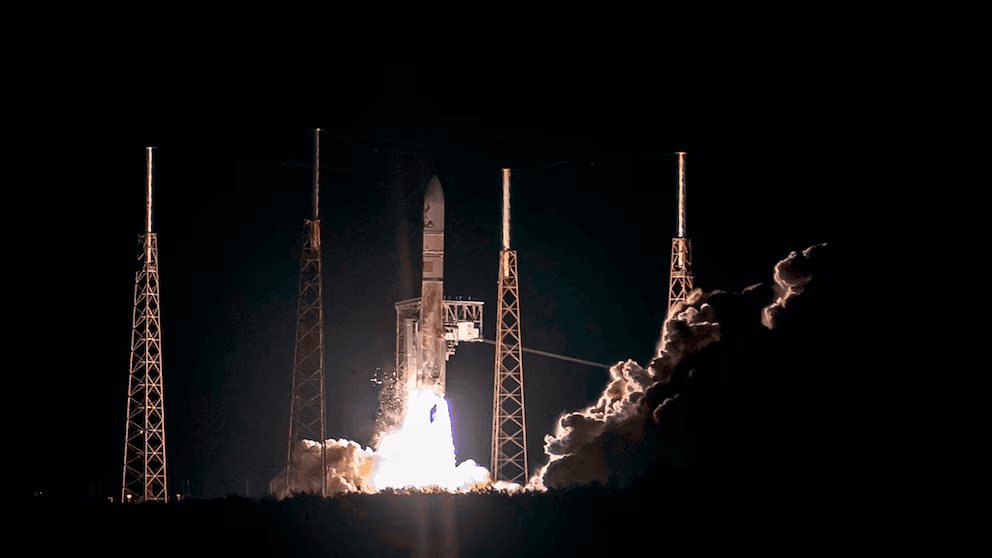
In a historic moment for space exploration, the Odysseus moon lander, developed by Intuitive Machines, has successfully landed on the moon, marking the first U.S.-built spacecraft to do so in over 50 years. This achievement also signifies the first commercial lunar landing in U.S. history, as reported by ABC News1.
Background and Mission Details
Launch and Orbit: The Odysseus lander launched from NASA's Kennedy Space Center in Florida and entered lunar orbit before descending to the moon's surface. This mission is part of NASA's Commercial Lunar Payload Services (CLPS) program, which aims to utilize private companies to send instruments to the moon1.
Payload and Instruments: The lander is equipped with five NASA instruments, including a radio beacon for precise geolocation and cameras to study how the moon's surface changes due to the spacecraft's engine plume. It also carries commercial cargo14.
Challenges and Achievements: Despite technical issues that nearly caused a delay, Odysseus successfully reached the moon's surface. However, there are reports that the lander may have tipped over after hitting a rock during landing, though most of its payloads are functioning correctly4.
Significance and Future Plans
This successful landing is crucial for NASA's Artemis program, which plans to send astronauts to the moon by 2026. The Artemis II mission, scheduled for next year, will involve astronauts flying around the moon, paving the way for future lunar landings1.
The success of Odysseus demonstrates the potential of private companies in advancing space exploration and marks a significant step in the new era of lunar missions.
Sources:
Gina Sunseri, Mary Kekatos, and Leah Sarnoff, ABC News
https://abcnews.go.com/Technology/odysseus-attempts-make-1st-commercial-landing-moon/story?id=107449650
Gio Benitez and Ivan Pereira, ABC News
https://abcnews.go.com/Technology/odysseus-moon-lander-tipped-nasa-partner/story?id=107503489