
Politics
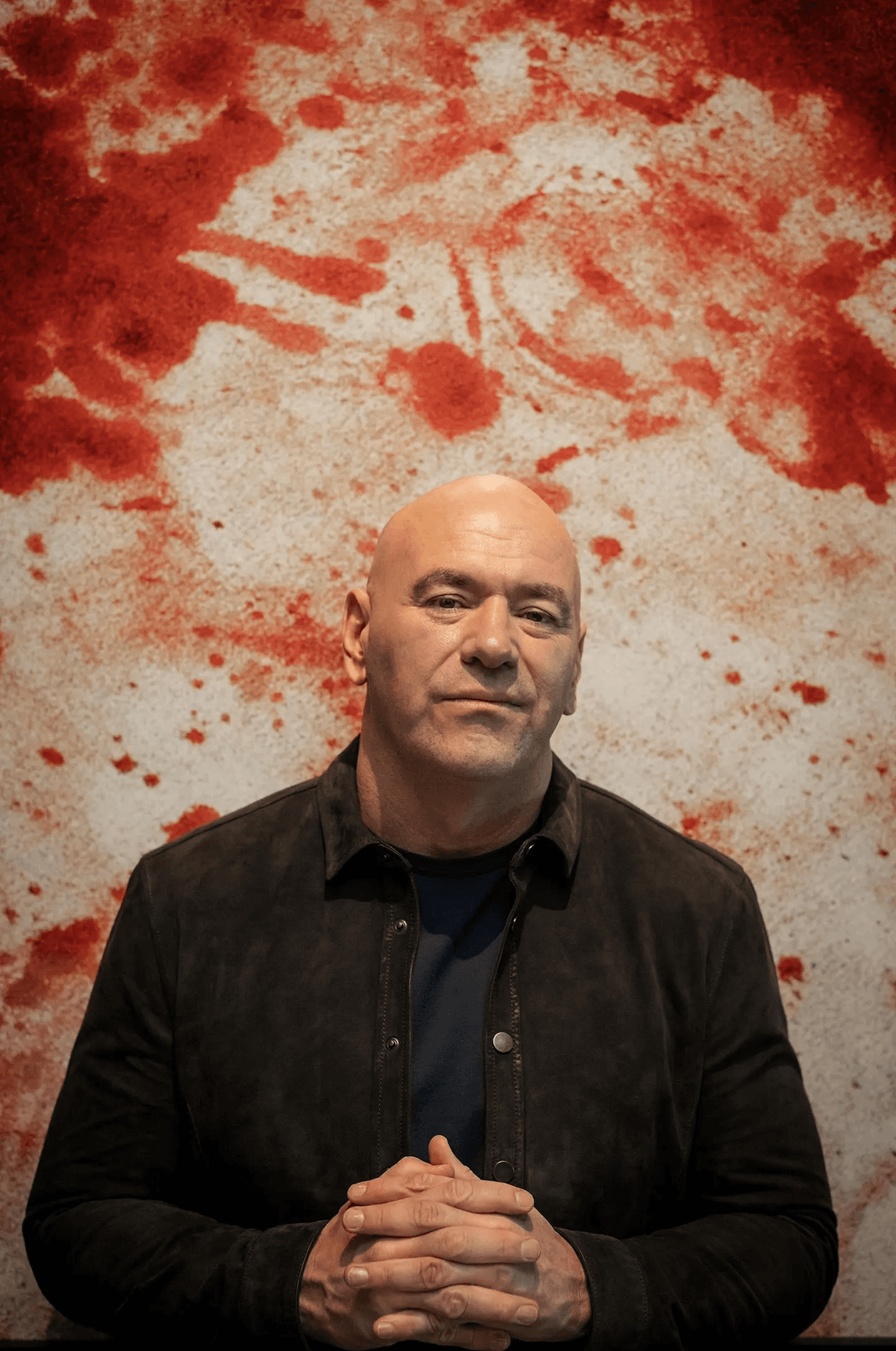
Dana White, the CEO of the Ultimate Fighting Championship (UFC), has become a household name, not just for his role in transforming mixed martial arts into a global phenomenon but also for his unapologetic embrace of a business model that mirrors the populist and tribal ethos of modern politics. This approach, inspired by figures like Donald Trump, has catapulted the UFC into a behemoth, generating an estimated $1.3 billion in revenue last year with staggering margins of almost 60%.
The Rise of Populist Capitalism
White's success story is deeply intertwined with his ability to leverage fame and controversy to build a brand that resonates with a young, often politically disengaged demographic. His support for Donald Trump, including coordinating appearances on influential podcasts like Joe Rogan's, helped galvanize a crucial voter base during the 2024 presidential campaign. This strategy, which blends entertainment with politics, reflects a broader trend in business—what can be termed "populist capitalism." This model thrives on direct engagement with audiences, often bypassing traditional media channels and embracing social media influencers and podcasters to reach a massive audience.
The UFC's Transformation
The UFC's journey to becoming a global powerhouse began in 1993, but it was White's leadership, starting in 2001, that truly transformed the organization. Initially, the UFC faced significant challenges, including being banned in several states due to its violent nature. However, White, along with the Fertitta brothers, who acquired the UFC for $2 million, worked tirelessly to mainstream the sport. They developed a reality TV show, The Ultimate Fighter, which became a ratings hit and served as a "Trojan horse" to get MMA on major networks.
By 2016, the UFC was sold to WME-IMG for over $4 billion, with White's stake netting him $360 million. He remained at the helm, continuing to grow the brand through strategic partnerships and a willingness to take risks, such as staging events during the COVID-19 pandemic when other sports were on hiatus.
The Business of Loyalty and Controversy
White's business philosophy is built on loyalty and a willingness to challenge the status quo. He has been vocal about his support for certain political figures and has used his platform to defend sponsors, even in the face of controversy. For instance, he publicly backed Bud Light despite conservative boycotts over a social media collaboration with a transgender influencer.
This approach has not been without its challenges. The UFC faces antitrust lawsuits over its control of fighter contracts, which critics argue limit athletes' earning potential and freedom to compete elsewhere. Despite these legal battles, White remains committed to his vision for the UFC, which includes expanding into new ventures like Power Slap, a combat sport he believes could rival the UFC in popularity.
Conclusion
Dana White's success with the UFC is a testament to the power of populist capitalism in the modern business landscape. By embracing controversy, leveraging social media, and fostering a culture of loyalty, White has turned the UFC into a cultural phenomenon that transcends traditional sports. As the UFC continues to grow, with potential broadcasting deals that could exceed $900 million annually, White's influence extends beyond the Octagon, reflecting broader shifts in how businesses engage with their audiences and navigate the complex intersection of entertainment and politics.
Image Credit: Ethan Pines
Source:
Matt Craig, Forbes https://www.forbes.com/sites/mattcraig/2025/02/05/dana-white-interview-ufc-net-worth-donald-trump-power-slap/