
Finance
Politics
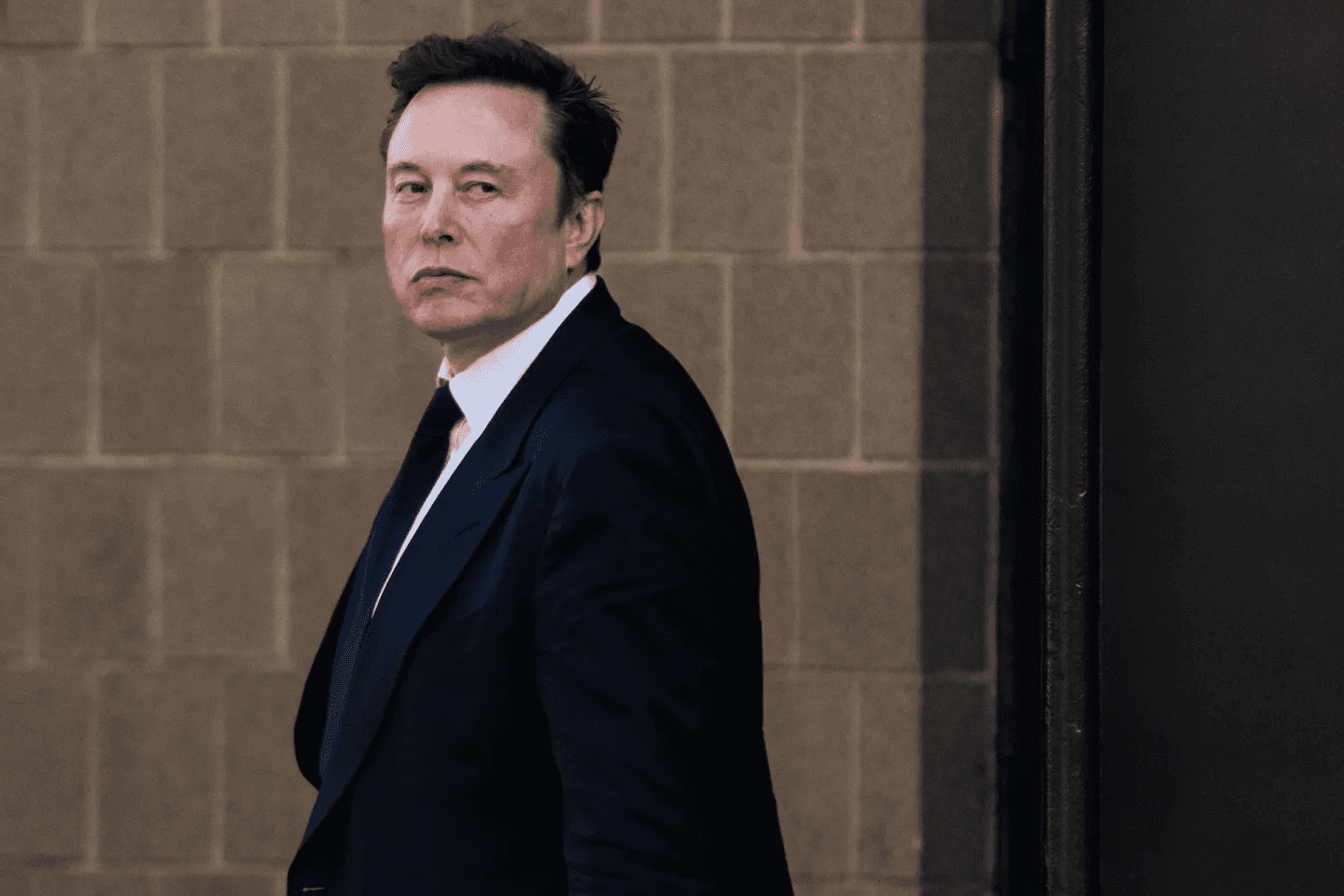
In the early days of February, a quiet yet significant standoff unfolded at the U.S. Agency for International Development (USAID), just a few blocks from the White House. A team of young, ambitious staffers from Elon Musk's Department of Government Efficiency (DOGE) arrived at the agency, demanding full access to its headquarters. The scene was not dramatic—no police were involved, no punches thrown—but it marked a pivotal moment in the reshaping of America's government.
On one side stood USAID, an institution with a 64-year history and a $35 billion budget, dedicated to fighting famine, disease, and providing clean water globally. On the other was Musk's DOGE, a group with no clear legal authority but backed by the wealthiest person on the planet. Their mission? To dismantle vast swaths of the federal bureaucracy, slashing budgets and gutting the civil service.
Musk's crusade against USAID began when his team, dubbed "the DOGE kids" by some agency staffers, spent several days examining desks and questioning managers. However, their demands soon escalated, including access to sensitive facilities housing classified information. This was too much for USAID's security heads, who refused to comply. The DOGE team threatened to call the U.S. Marshals, and Musk took to social media, labeling USAID a "criminal organization" that needed to "die."
By the following morning, USAID had largely ceased operations. Staff were placed on leave, and offices worldwide were shut down. The message to other government bureaus was clear: no opposition would be tolerated. This was not an isolated incident; DOGE had already taken over the U.S. Digital Service and established a presence within the Office of Personnel Management (OPM). The Education Department was bracing for potential decapitation, and few agencies felt safe.
Musk's power is unprecedented. He appears accountable only to President Trump, who has given him a sweeping mandate to align the government with his agenda. The DOGE team has been instrumental in enacting parts of Project 2025, a plan to drastically reduce the federal bureaucracy. This includes mass buyouts for civil servants and the replacement of career officials with political appointees loyal to the President.
The implications are far-reaching. Companies exporting tech products to China may no longer have State or Commerce Department guidance on avoiding legal violations. Farmers in the Midwest might find USAID-funded buyers no longer purchasing flour for refugee camps. Millions worldwide who depend on U.S. aid for food, medicine, and shelter are suddenly on their own.
Musk's methods have drawn comparisons to his takeover of Twitter, where he fired 80% of the staff. A similar offer was made to government employees: eight months' pay in exchange for resignation. The subject line of the email, "Fork in the road," was identical to the one used at Twitter.
The backlash is growing. Lawsuits have been filed, and courts have begun to intervene. On Capitol Hill, Democrats are gearing up for a battle that could determine the future of the government. As Maryland Democrat Jamie Raskin put it, "We don’t have a fourth branch of government called Elon Musk." Yet, the power Musk has acquired is undeniable, leaving many to wonder how far he will go and what, if anything, can stop him.
Source:
Simon Shuster and Brian Bennett, TIME Magazine https://time.com/7213409/elon-musk-us-government-trump/
Image Credit: Kent Nishimura—Getty Images