
Science
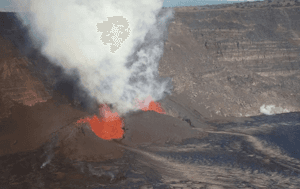
The Kilauea volcano, located on the Big Island of Hawaii, has been a focal point of volcanic activity for decades. Recently, it has garnered attention due to its ongoing eruptions, which have captivated both scientists and the public alike. Here's a detailed look at the volcano's history, the current state of its activity, and what this means for the surrounding environment and communities.
History of Kilauea Volcano Eruptions
Kilauea is one of the most active volcanoes in the world and has been erupting continuously since 1983, with periods of increased activity over the years. The volcano is part of the Hawaii Volcanoes National Park, a UNESCO World Heritage Site, and is closely monitored by the United States Geological Survey (USGS).
One of the most significant recent events was the 2018 eruption, which saw lava flows destroy hundreds of homes and businesses in the Kapoho area. This event highlighted the potential dangers and unpredictability of volcanic activity.
Current Eruption Activity
As of early 2025, Kilauea continues to experience periods of heightened activity. The USGS monitors the volcano closely, providing updates on lava flows, gas emissions, and seismic activity. These observations help scientists understand the dynamics of the volcano and predict potential future eruptions.
The ongoing activity includes lava flows within the volcano's caldera and occasional increases in seismicity, which are indicative of magma movement beneath the surface. While these events can be dramatic, they are part of the natural cycle of volcanic activity.
Environmental and Community Impact
The eruptions at Kilauea have both immediate and long-term impacts on the environment and local communities. Lava flows can alter landscapes, create new landforms, and affect local ecosystems. However, they also contribute to the formation of new land, as seen in the creation of new coastlines and islands.
For communities nearby, the eruptions can pose risks, including air quality issues due to volcanic gases and potential lava flow threats. However, advanced monitoring and early warning systems help mitigate these risks, allowing residents to prepare and respond accordingly.
Scientific Research and Monitoring
Scientists from the USGS and other organizations are continually studying Kilauea to better understand volcanic processes. This research not only helps in predicting eruptions but also contributes to a broader understanding of geological phenomena worldwide.
Technologies such as satellite imaging, ground-based sensors, and drones are used to monitor volcanic activity in real-time, providing valuable data for both scientific research and public safety.
Conclusion
The ongoing activity at Kilauea volcano is a testament to the dynamic nature of Earth's geology. While eruptions can pose challenges, they also offer opportunities for scientific discovery and community resilience. As the volcano continues to evolve, it remains a fascinating subject for study and a reminder of the awe-inspiring power of natural forces.
Sources:
Jeanine Santucci, USA Today
https://www.usatoday.com/story/news/nation/2025/02/13/kilauea-volcano-hawaii-eruption/78516954007/