
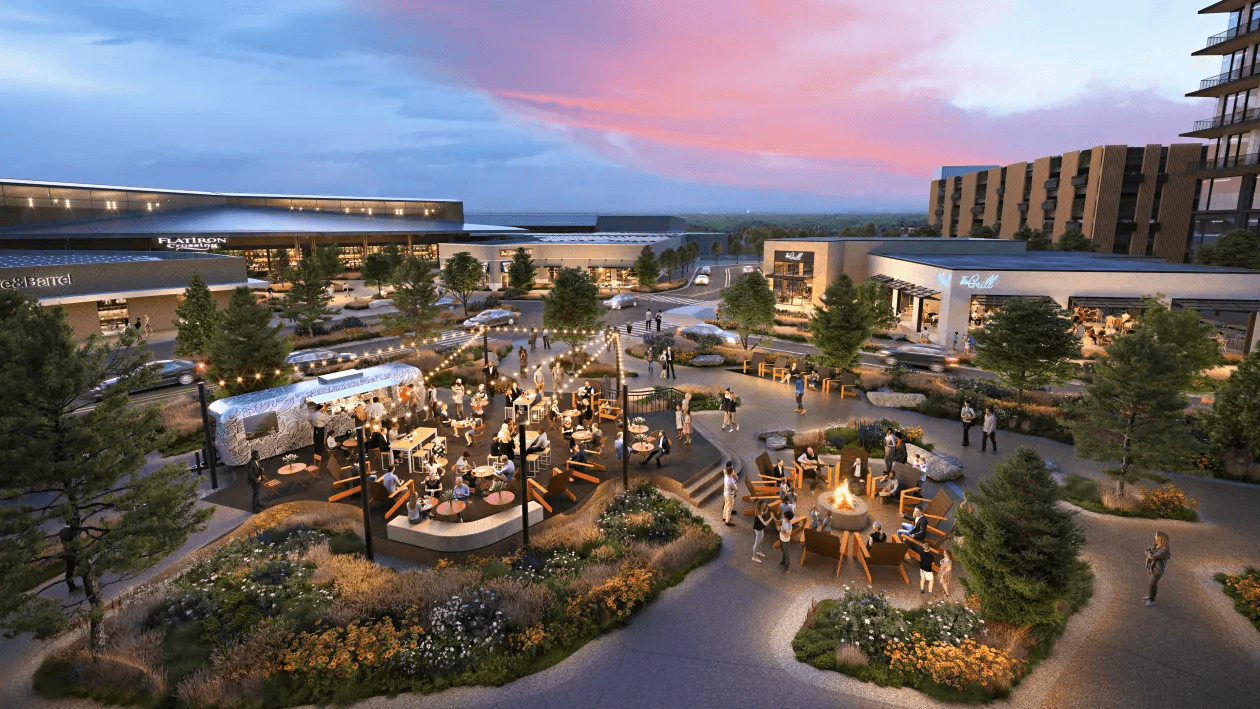
In a bold move to address the U.S. housing crisis, real estate developers are transforming the classic American mall into a vibrant residential hub. By converting vacant department stores into apartments, these developers are not only providing much-needed housing but also reinvigorating the retail landscape. As of January 2022, at least 192 U.S. malls planned to incorporate housing into their footprint, with at least 33 having already completed apartment projects since the pandemic began12.
The Rise of Mall Living
The shift towards mall living is part of a broader trend where shopping centers are evolving to stay relevant. With the decline of traditional anchor department stores like Macy's and JCPenney, malls are repurposing these spaces to include apartments, Amazon distribution centers, pickleball courts, and even NHL training facilities. However, the fastest-growing use of these spaces is apartment complexes, driven by the nation's housing deficit of 4.5 million homes1.
Jacob Knudsen, Vice President of Development for Macerich, which is redeveloping the FlatIron Crossing Mall in Colorado, sees this trend as a win-win. "The mall is becoming cool again," he notes. "Being able to live by it, work by it, play by it, go to restaurants by it, we’re definitely seeing this as a trend1."
Challenges and Opportunities
While converting malls into residential spaces offers numerous benefits, it also presents significant challenges. High construction costs and complex zoning laws are major hurdles. Additionally, the unique layout of malls often requires a complete teardown to ensure apartments have access to natural light and air. Developers often prefer to disconnect new housing from the mall itself, creating a buffer zone for better living conditions1.
Despite these challenges, the benefits are substantial. Residents gain access to amenities like restaurants, gyms, and retail stores right at their doorstep. For instance, Amy Henion, a graphic designer living in The Arcade in Providence, Rhode Island, appreciates the convenience of having services like hair salons and food options within the building1.
Examples of Successful Transformations
The Arcade, Providence, Rhode Island: This historic mall was renovated to include 48 micro-units, offering residents a unique living experience with access to downtown amenities1.
Grand Avenue Mall, Milwaukee, Wisconsin: Converted into apartments with amenities like a pickleball court and a dog wellness center, residents enjoy a vibrant community with easy access to remaining retail spaces1.
Lafayette Square Mall, Indianapolis: Plans are underway to open 1,200 apartment units, including affordable housing, in a former Sears building by 20251.
The Future of Mall Living
As more Americans embrace life at the mall, developers envision a seamless living experience where residents can enjoy integrated services and amenities without leaving the premises. Najla Kayyem, Executive Vice President of Marketing at Pacific Retail, suggests that living at the mall could eventually resemble a resort experience, with centralized billing for all services1.
This transformation not only addresses the housing shortage but also revitalizes local economies by bringing people closer to retail and dining options. As the trend continues to grow, it's clear that the future of the American mall is no longer just about shopping—it's about living, working, and thriving in a vibrant community.
Source:
Gabrielle Fonrouge, CNBC https://www.cnbc.com/2024/12/05/why-developers-are-building-housing-at-shopping-malls.html
Image Credit: Macerich