
Animal
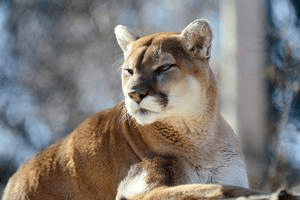
Loosening hunting restrictions on cougars, also known as mountain lions, could have severe consequences for their populations and ecosystems. Research and wildlife management data suggest that increased hunting of cougars often leads to unintended ecological and social repercussions, challenging the assumption that hunting is an effective tool for managing these apex predators.
The Impact of Increased Hunting
Cougars are solitary and territorial animals that play a critical role in maintaining ecosystem balance. However, increased hunting can disrupt their social structure and lead to population instability. Studies have shown that when adult male cougars are killed, younger, less experienced males often move into the vacated territory. This influx of younger males can result in higher rates of human-wildlife conflict, such as livestock depredation and attacks on pets, because these younger cougars are less skilled hunters and more likely to target easy prey near human settlements14.
Moreover, heavy hunting disproportionately affects female cougars and their offspring. Female cougars with dependent kittens may be killed unintentionally, leaving orphaned kittens vulnerable to starvation or conflicts with humans. These disruptions not only threaten individual animals but also destabilize local populations6.
Counterproductive Effects on Population Control
Contrary to popular belief, increased hunting does not necessarily reduce cougar populations or conflicts. Research conducted in Washington State revealed that areas with higher hunting pressure experienced more complaints about cougars and livestock depredations than areas with lighter hunting pressure. This phenomenon is attributed to the "source-sink" dynamics, where heavily hunted areas act as sinks for younger male cougars migrating from surrounding regions17.
Additionally, studies comparing cougar management across states found no significant difference in cougar densities or conflict rates between states with high hunting levels and those with minimal or no hunting. For instance, California, where cougar hunting has been banned since 1972, reports similar conflict rates as states with active cougar hunting programs46.
New Approaches to Cougar Management
Recognizing the limitations of traditional hunting-based management strategies, some states are adopting science-based reforms. For example, Washington recently implemented new rules capping all human-caused cougar deaths at 13% of the estimated population in each region. These measures aim to prevent overhunting while addressing human-wildlife conflicts through non-lethal methods3.
Wildlife advocates argue that predators like cougars self-regulate their populations based on available resources and do not require human intervention through hunting. They emphasize the importance of preserving cougar habitats and promoting coexistence strategies to reduce conflicts without resorting to lethal measures56.
The Broader Ecological Consequences
Cougars are apex predators that help control herbivore populations like deer and elk, which in turn influences vegetation growth and ecosystem health. Overhunting cougars can lead to cascading ecological effects, including overgrazing by prey species and reduced biodiversity. Maintaining stable cougar populations is therefore essential not only for their survival but also for the health of the ecosystems they inhabit48.
Conclusion
The evidence suggests that loosening hunting restrictions on cougars could have far-reaching negative consequences for both the animals and the ecosystems they inhabit. Effective management strategies should prioritize science-based policies that balance conservation goals with human-wildlife conflict mitigation. By fostering coexistence and protecting these iconic predators, we can ensure their survival while maintaining ecological harmony.
Sources:
Peebles KA et al., PLOS ONE
Northwest Sportsman
Mountain Lion Foundation
OPB News
Animal Protection New Mexico
NMP Political Report