
Animal
Science
During the early days of the COVID-19 pandemic, a popular narrative emerged: nature was healing. The canals of Venice cleared, global carbon emissions dropped, and social media was filled with stories of animals reclaiming territory from humans. However, a new study published in Nature Ecology & Evolution reveals a more complex reality. The relationship between humans and wildlife during lockdowns was nuanced and varied, challenging the simplistic "nature is healing" meme.
Cole Burton, co-lead study author and conservation biologist at the University of British Columbia, notes that while the idea of nature healing was appealing, it didn't capture the full story. "There was no one-size-fits-all response with animals," he explains. The study analyzed data from 5,400 camera trap locations in 21 countries, uncovering surprising patterns that contradict the popular narrative.
Lockdowns Didn't Always Mean Less Human Activity
Contrary to expectations, lockdowns did not uniformly reduce human presence in natural areas. In some places, like Vancouver's regional parks, human activity actually increased as people sought safer outdoor spaces during the pandemic. This trend highlights the importance of specific monitoring data over broad measures of human activity.
Variable Animal Responses
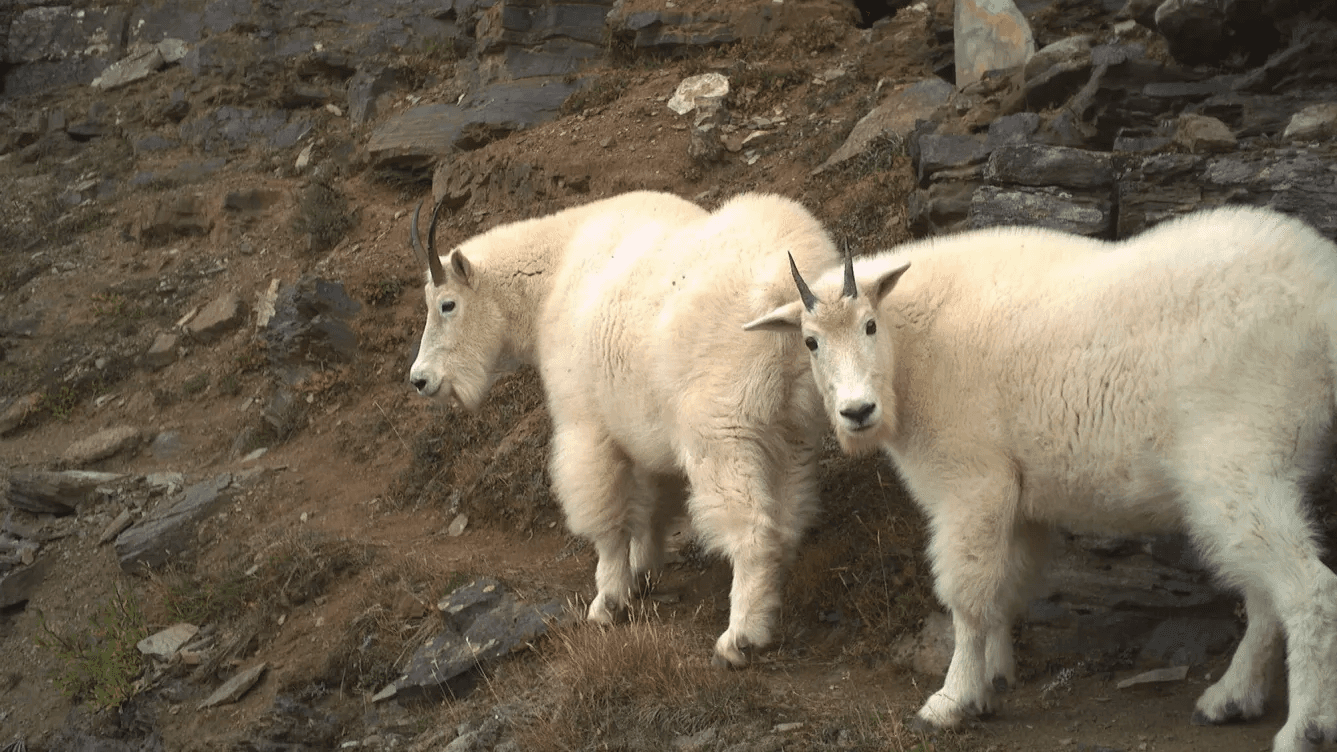
Even where human activity decreased, mammal activity did not consistently increase. Larger carnivores, such as wolves and wolverines, were more sensitive to human presence and often disappeared from areas with high human activity. Conversely, large herbivores like deer became more active alongside humans, possibly because humans provided a protective shield from predators.
Location-Specific Responses
Animals' responses to changes in human activity were highly location- and time-specific. In wilder areas, animals were more wary of humans and retreated when human activity increased. In more developed landscapes, animals seemed habituated to people and either maintained or increased their activity levels. This could be due to wildlife exploiting human resources, such as food from trash cans, or having to travel farther to access resources.
Lessons for Conservation
The study offers valuable insights for conservation efforts. It shows that higher human activity can lead animals to become more nocturnal, adapting to coexist with humans by minimizing negative encounters. This adaptation suggests that animals are working hard to share spaces with humans, often in ways that are not immediately apparent.
Burton hopes the findings will inform more nuanced conservation strategies. In remote areas, minimizing human presence through strategic closures might be beneficial. In urban settings, reducing nighttime light and noise pollution could provide wildlife with a refuge. The key takeaway is the need for context-specific management approaches, acknowledging the complexity of human-wildlife interactions.
In the end, while the "nature is healing" narrative may have been overly simplistic, it sparked a conversation about our relationship with the natural world. By recognizing the intricate dynamics between humans and animals, we can work towards a more harmonious coexistence—perhaps one day truly allowing nature to heal.
Source:
Lauren Leffer, Popular Science https://www.popsci.com/environment/nature-not-healing-animals-lockdown-behavior
Image Credit: Madeleine Wrazej, Parks Canada & UBC WildCo