
Life Style
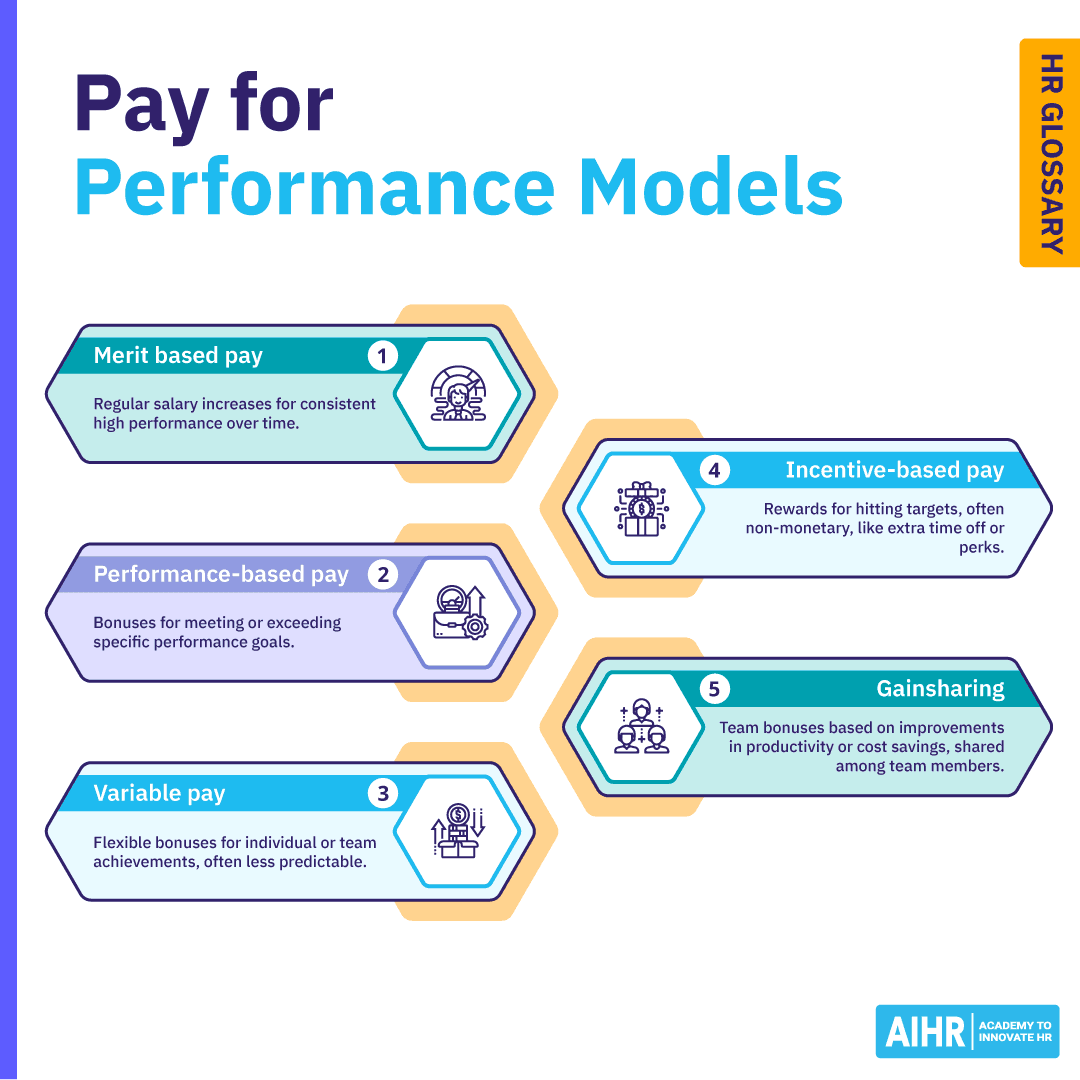
In today's fast-paced business environment, companies are increasingly looking for ways to optimize their payroll costs while motivating employees to achieve specific goals. One strategy gaining traction is performance-based pay, where a portion of an employee's compensation is tied to their ability to meet or exceed certain targets. This approach raises an important question: Would you rather receive a traditional salary or get paid based on your performance?
Traditional Salary
A traditional salary provides employees with a fixed income, which can offer stability and predictability. This model is often preferred by those who value financial security and prefer not to have their earnings fluctuate based on performance metrics. Here are some key advantages of a traditional salary:
Financial Stability: Employees know exactly how much they will earn each month, allowing for better budgeting and financial planning.
Less Stress: Without the pressure of meeting performance targets to secure a full income, employees may experience less stress related to their compensation.
Predictability: It's easier to plan long-term financial goals when income is consistent.
However, traditional salaries may not incentivize employees to exceed expectations, as their pay does not directly reflect their performance.
Performance-Based Pay
Performance-based pay, on the other hand, ties a portion of an employee's compensation to specific goals or outcomes. This model is designed to motivate employees to work more efficiently and effectively, as their earnings can increase with better performance. Here are some key benefits of performance-based pay:
Incentivization: Employees are more likely to strive for excellence when their pay is directly linked to their performance.
Alignment with Company Goals: By tying pay to specific objectives, companies can ensure that employees are working towards common goals.
Potential for Higher Earnings: High-performing employees can earn more than they would with a traditional salary, providing a financial reward for their efforts.
However, performance-based pay can also introduce challenges:
Uncertainty: Employees may face uncertainty about their earnings from one period to another, which can make financial planning difficult.
Stress and Pressure: The pressure to meet performance targets can be stressful and may lead to burnout if not managed properly.
Subjectivity: Performance metrics can sometimes be subjective, leading to potential disputes over fair compensation.
Balancing Both Models
Many companies opt for a hybrid approach, combining elements of both traditional and performance-based pay. This might involve a base salary with additional bonuses or incentives for meeting specific targets. This model aims to provide financial stability while still motivating employees to excel.
Conclusion
Whether to prefer a traditional salary or performance-based pay depends on individual preferences and circumstances. For those who value stability and predictability, a traditional salary might be more appealing. However, for individuals who are highly motivated by financial incentives and thrive under performance pressure, a performance-based pay structure could be more rewarding. Ultimately, the best approach often involves a balanced combination of both models, allowing employees to enjoy stability while still being incentivized to perform at their best.
Sources:
Vanessa Fuhrmans, The Wall Street Journal https://www.wsj.com/lifestyle/careers/worker-salary-performance-pay-bonuses-6f916a69