
Politics
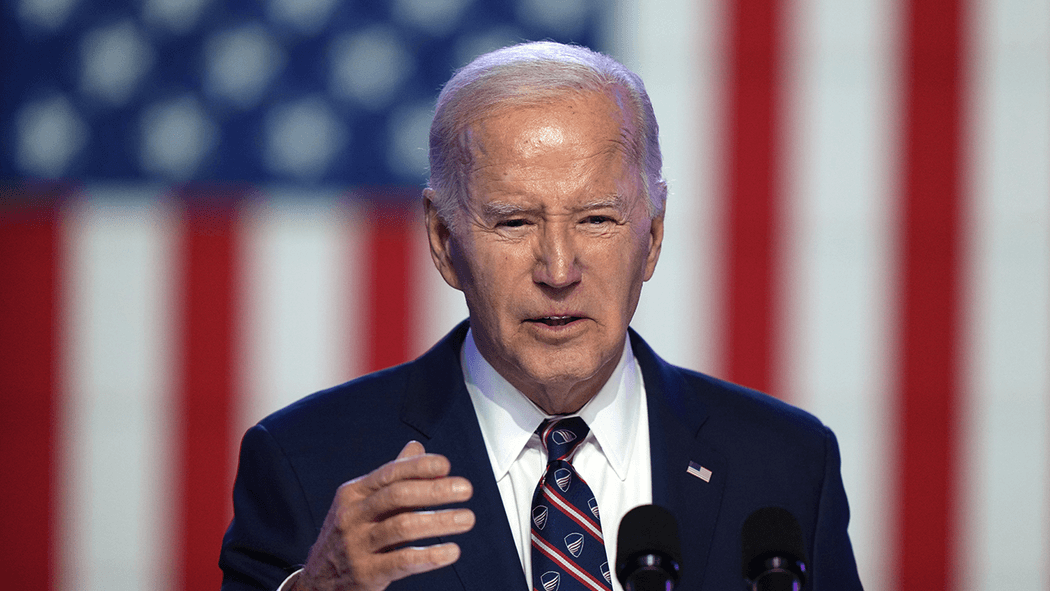
In the aftermath of the attempted assassination of former President Donald Trump, President Joe Biden has found himself navigating a complex political landscape. While condemning political violence unequivocally, Biden has also been cautious not to escalate tensions by directly engaging with Trump's controversial rhetoric. This approach reflects a broader challenge in American politics, where heated discourse and violent incidents have become increasingly intertwined.
The Context of Rising Political Violence
The attempted assassination of Trump is part of a disturbing trend of rising political violence in the United States. This trend has been exacerbated by divisive rhetoric and actions from both sides of the political aisle. Trump's entry into politics has been associated with a significant increase in violent rhetoric, which some argue has contributed to violent actions, including the January 6, 2021, attack on the U.S. Capitol2.
Biden's Response: Condemning Violence Without Whitewashing Trump
President Biden has condemned political violence without backing down from his critique of Trump's policies and actions. In a speech following the shooting, Biden emphasized the need for peaceful political discourse while also referencing past incidents of violence, including the January 6 insurrection and the attack on Paul Pelosi3. This approach allows Biden to maintain his stance against what he views as threats to democracy without escalating tensions further.
Allegations of Inciting Violence
Republicans have criticized Biden for his past comments, such as urging Democrats to "put Trump in the bullseye," which they argue could be interpreted as inciting violence1. However, Biden has clarified that his intention was to focus on Trump's policies and actions, not to advocate for violence5. Trump himself has used violent imagery in his rhetoric, warning of a "bloodbath" if he loses the election5.
The Broader Implications
The current political climate raises concerns about the potential for further violence, especially if the 2024 presidential election results are contested. Trump has hinted at the possibility of violence if he loses, though he has also expressed confidence in winning6. The situation underscores the need for political leaders to reduce inflammatory rhetoric and promote a more civil discourse to prevent further escalation.
Conclusion
As the U.S. navigates this challenging political environment, President Biden's approach reflects a delicate balance between condemning political violence and avoiding actions that could be seen as provocative. The stakes are high, with the potential for further violence hanging over the upcoming election. Ultimately, the path forward will require leaders from both parties to prioritize civility and peaceful political engagement.
Sources:
Jennifer Hansler, CNN https://www.cnn.com/2024/07/14/politics/biden-say-trump-shooting-bullseye/index.html
Jeremy Adam Smith, Greater Good Magazine https://greatergood.berkeley.edu/article/item/whats_driving_political_violence_in_america
Jeet Heer, The Nation https://www.thenation.com/article/politics/biden-speech-trump-shooting/