
Animal
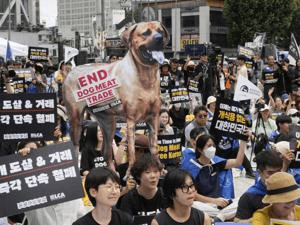
On January 9, 2024, South Korea's National Assembly made history by unanimously passing a bill to ban the breeding, slaughter, and sale of dogs for human consumption. This landmark legislation marks a significant shift in the country's stance on animal welfare, reflecting changing societal attitudes towards the consumption of dog meat.
Background and Impact
For centuries, dog meat has been consumed in South Korea, often associated with beliefs about its health benefits. However, in recent years, the practice has faced increasing criticism both domestically and internationally. The ban is set to take effect in 2027, allowing a three-year transition period for those involved in the industry to adapt.
Animal Welfare: The ban is expected to significantly reduce animal suffering, as up to 1 million dogs are estimated to be factory-farmed and killed annually in South Korea1.
Societal Shifts: The move reflects broader societal changes in South Korea, where younger generations have increasingly opposed the practice. Surveys indicate that a majority of South Koreans do not consume dog meat and support its prohibition6.
Compensation and Transition
To facilitate a smooth transition, the South Korean government has announced plans to compensate farmers and others in the industry. However, the compensation package has been met with resistance from both farmers and animal rights activists. Farmers argue that the proposed compensation is insufficient, while activists worry that it could incentivize increased breeding to maximize payouts2.
Government Support: The Ministry of Agriculture will provide financial assistance to farmers who agree to cease operations early, with compensation starting at 225,000 won ($170) per dog. Additionally, low-interest loans will be available for those transitioning to other agricultural ventures2.
Challenges Ahead: Despite the ban, some dog farmers plan to challenge the legislation, citing infringement on their personal freedoms and economic livelihoods4.
International and Domestic Reactions
The ban has been hailed as a major victory by animal rights groups worldwide. South Korea's first lady, Kim Keon Hee, has been a vocal supporter of the ban, facing backlash from farmers during protests4.
Global Implications: South Korea's decision sets a precedent for other countries where dog meat is consumed, such as China and Vietnam, though it remains to be seen if similar bans will follow.
Domestic Support: The unanimous vote in the National Assembly underscores the growing consensus in South Korea against dog meat consumption, with many citizens viewing it as a relic of the past5.
Conclusion
South Korea's decision to ban the dog meat industry by 2027 marks a significant milestone in the country's journey towards greater animal welfare. While challenges remain, particularly in ensuring a fair transition for those affected, the move reflects a broader shift in societal values and attitudes towards animal rights.
Sources: