
Health
Science
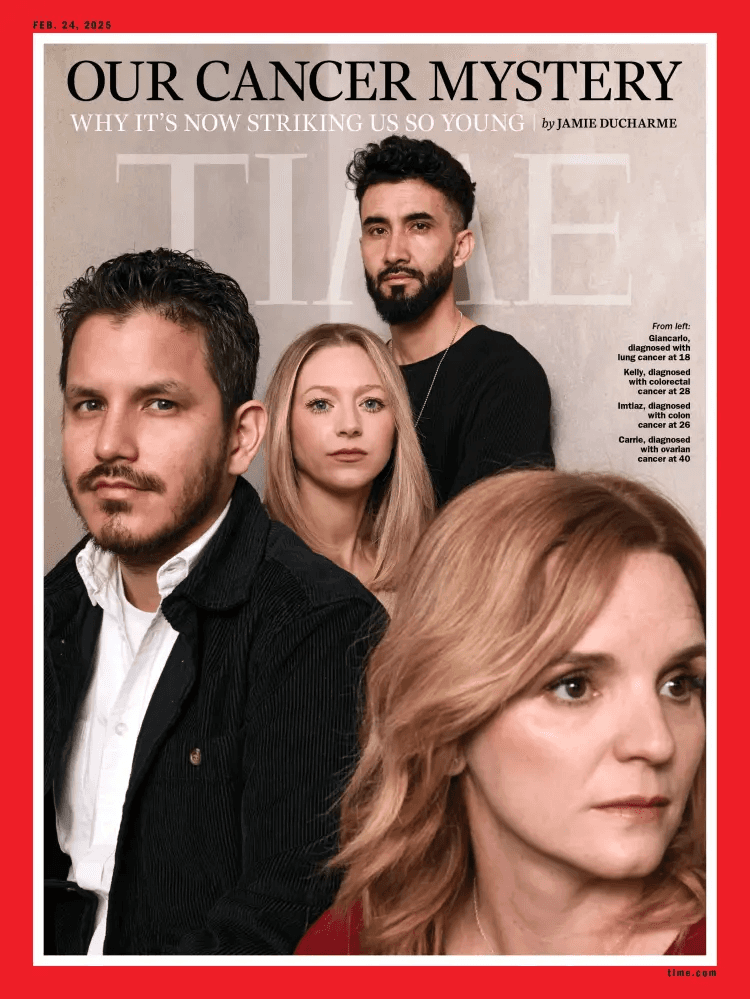
In the world of medicine, few phenomena are as puzzling as the increasing incidence of cancer among young adults. Historically, cancer has been a disease associated with older age, but recent trends suggest that this narrative is shifting. The numbers are stark: globally, diagnoses and deaths related to early-onset cancers—those affecting patients younger than 50—rose by 79% and 28%, respectively, from 1990 to 2019. This surge has left scientists racing to understand the underlying causes, as the classic risk factors do not fully explain the alarming rise.
A Personal Encounter
For Dr. Frank Frizelle, a colorectal surgeon and professor at the University of Otago in New Zealand, the reality of this trend hit close to home. In 2014, he treated a young woman with bowel cancer, a rare occurrence given her age. What was even more striking was when her friend, who shared similar symptoms, was found to have a potentially cancerous lesion. This personal experience led Frizelle to investigate further, revealing that colorectal cancer was indeed on the rise among young New Zealanders. Similar patterns were observed in Sweden and Scotland, suggesting a broader trend.
The Global Picture
The issue is not confined to colorectal cancer or a few countries. Around the world, young people are being diagnosed with various types of cancer at alarming rates. In the U.S., breast cancer is the most common early-onset disease, but there are significant increases in cancers affecting the colon, rectum, pancreas, and stomach among young adults. Today's young adults are about twice as likely to be diagnosed with colon cancer and four times as likely to be diagnosed with rectal cancer compared to those born around 1950.
Despite advances in detection and treatment, which have led to a decline in cancer mortality rates, the incidence of new cancers remains stubbornly consistent. This paradox raises questions about the role of modern life in contributing to these rising numbers.
Theories and Hypotheses
Scientists are exploring a complex web of factors that could be driving this trend. Modern diets, heavy in ultra-processed foods and red meat, are under scrutiny. These diets not only contribute to weight gain but may also alter the gut microbiome, potentially increasing cancer risk. Other environmental factors, such as microplastics and exposure to certain chemicals in cosmetics and food packaging, are also being considered.
Dr. Shuji Ogino, a pathologist at Brigham and Women’s Hospital, is pioneering an approach that combines epidemiology and molecular pathology to study early-onset cancer. His research suggests that a typical Western diet, insulin resistance, and specific gut bacteria may play roles in early-onset colorectal cancer.
The Puzzle of Early-Onset Cancers
Many cases of early-onset cancer defy easy explanation. Dr. Andrea Cercek, co-director of the Center for Young Onset Colorectal and Gastrointestinal Cancers at Memorial Sloan Kettering, has treated patients in their 20s with tumors that resemble those typically found in much older individuals. These cases often involve young, healthy individuals without obvious risk factors, leaving researchers to consider that exposure to harmful substances may have occurred over long periods, perhaps even before birth.
Giancarlo Oviedo-Mori, diagnosed with Stage IV lung cancer at 18, is a testament to the complexity of these cases. Despite having no family history of cancer and never smoking, Oviedo-Mori's diagnosis remains a mystery. His story highlights the need for continued research into environmental and lifestyle factors that may contribute to early-onset cancers.
Conclusion
The rise in cancer among young adults is a pressing concern that demands a multifaceted approach. While advances in detection and treatment offer hope, understanding the root causes of this trend is crucial. As scientists continue to unravel the mystery, one thing is clear: the health-conscious generation is facing unexpected challenges. Theories abound, from diet to environmental exposures, but the truth likely lies in a complex interplay of factors. Until we uncover these triggers, the best advice remains to adopt healthy lifestyles and advocate for further research into this alarming trend.
Source:
Jamie Ducharme, TIME Magazine https://time.com/7213490/why-are-young-people-getting-cancer
Image Credit: Photograph by Frankie Alduino for TIME