
Science
Tech
Health
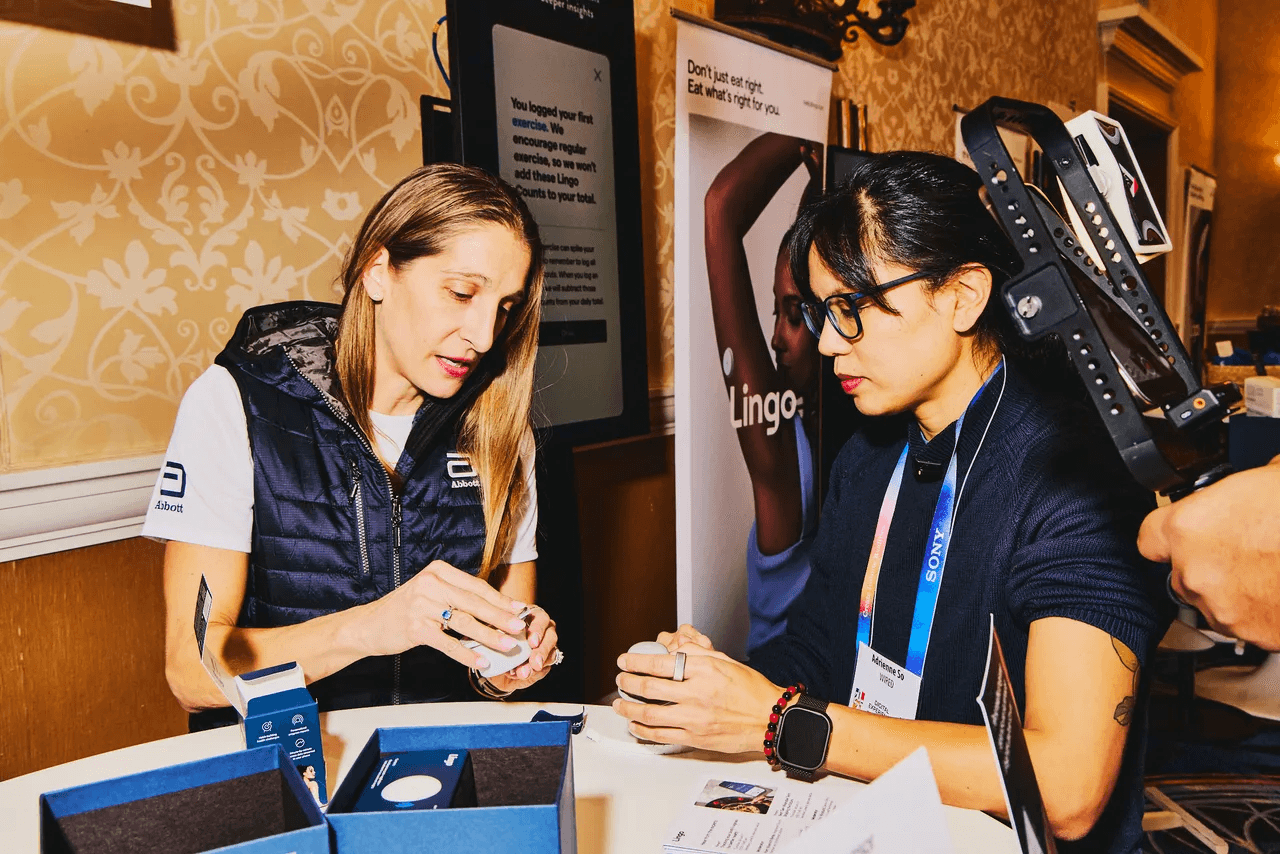
As I stepped into the world of health monitoring at CES 2025, I couldn't help but feel a mix of fascination and trepidation. The latest innovations in digital health are pushing boundaries, making it possible for us to track every aspect of our well-being from the comfort of our homes. But the question remains: do we really want to know?
I must admit, I've never been afraid of a health tracker before, but the Abbott Lingo changed that. This small, wearable biosensor requires you to slap it onto your arm, where a filament slides under your skin to monitor blood glucose levels. It's a technology that's familiar to those with diabetes, but for the rest of us, it raises questions about how much we want to know about our bodies.
The Lingo isn't the first of its kind; Dexcom's Stelo was the pioneer in commercially available blood glucose monitoring. Dexcom has also partnered with Oura, integrating blood sugar tracking into the Oura app, and has launched a GenAI platform offering personalized health insights. But the Lingo's invasive nature made me hesitant. It wasn't until I finally mustered the courage to try it that I discovered the power of real-time health data. After just one night, I found out I had gone hypoglycemic in my sleep—a revelation that prompted me to rethink my eating habits.
Beyond glucose monitoring, the health tech landscape is expanding rapidly. The Conneqt Pulse, for instance, is an arterial health monitor that looks like a blood pressure cuff but measures factors related to cardiac health, such as brachial blood pressure and arterial stiffness. While it's designed for personal use, interpreting its data requires some education, which Conneqt acknowledges as a crucial step for users.
For those interested in hormonal health, the Eli Health Hormometer allows you to monitor cortisol and progesterone levels with simple saliva tests. Vivoo has launched a suite of women's health tests, including ovulation and fertility tests, making it easier to manage reproductive health at home.
Withings unveiled the Omnia, a concept product that integrates all health metrics from Withings devices into a single platform, complete with a voice AI assistant to help create actionable health plans. Although not yet available to consumers, it represents the future of holistic health monitoring.
Despite these advancements, the digital health industry faced a reckoning in 2024, with many companies experiencing financial setbacks. This pullback might be due to consumers realizing that knowing more about their health doesn't always translate into action. It's easier to monitor cortisol levels than to address the underlying stressors.
As I reflect on my experience with the Lingo and other health monitoring devices, I'm left with a sense of awe at the technological possibilities but also a lingering question: are we ready for this level of intimacy with our bodies? The future of health monitoring is here, but it's up to us to decide how much we want to know—and what we'll do with that knowledge.
Adrienne So, WIRED https://www.wired.com/story/the-health-monitoring-boom-only-gets-weirder-from-here
Image Credit: Tristan Debrauwere