
Finance
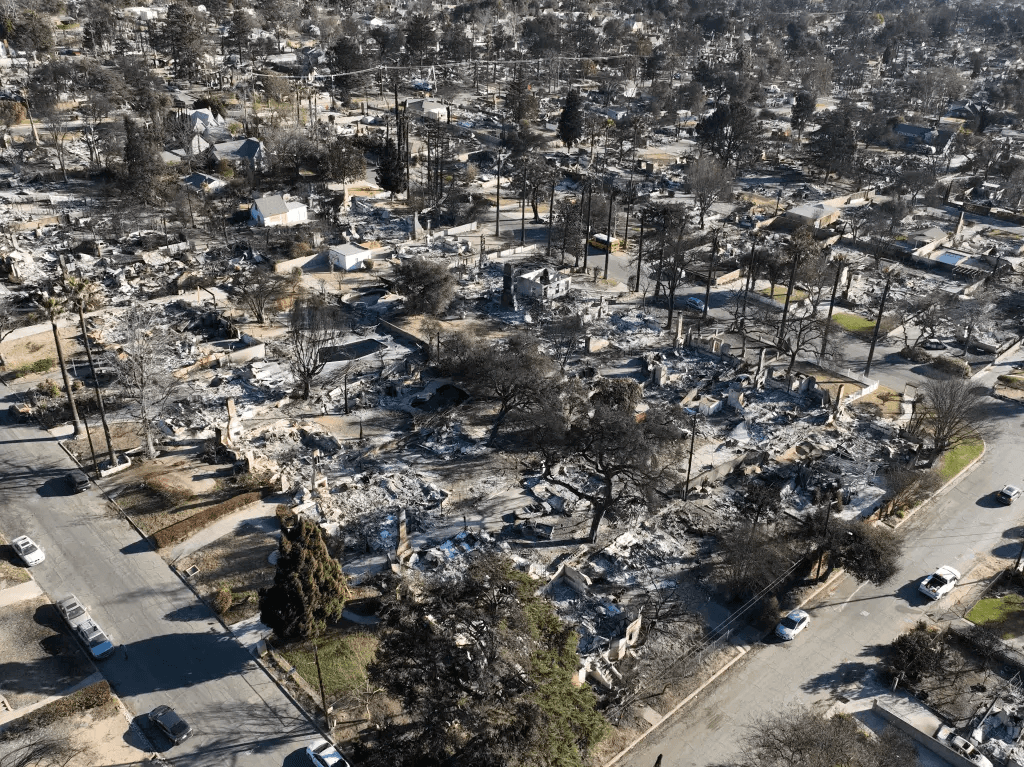
The recent wildfires in Los Angeles have left an indelible mark on the region, both in terms of human suffering and economic devastation. The financial losses are staggering, with estimates suggesting that the total economic toll exceeds $250 billion, making it one of the costliest natural disasters in U.S. history1. As the region embarks on a massive rebuilding effort, it's clear that some sectors will benefit while others will struggle to recover.
The Economic Impact
The wildfires have ravaged thousands of homes and businesses, disrupting major industries across Southern California. According to a study by UCLA Anderson Forecast, the county's gross domestic product is expected to decline by about $4.6 billion this year, a 0.48% drop. This economic downturn includes a total wage loss of $297 million for local businesses and employees in the affected areas.
Winners and Losers
While disasters like these are inherently negative for the economy overall, certain sectors stand to gain from the recovery efforts. Construction workers, contractors, environmental cleanup firms, real estate agents, and companies specializing in fireproofing services are among those poised to benefit. However, businesses that were destroyed or damaged by the fires, along with industries like tourism and Hollywood production, face significant challenges.
Hollywood's Struggle
The fires have exacerbated an already tough economic climate for Hollywood. Following the COVID-19 shutdowns and the dual writers and actors strikes in 2023, the industry was hoping for a return to normalcy this year. Instead, the fires have destroyed homes of many Hollywood workers and temporarily halted several television productions, including "NCIS" and "Abbott Elementary". This disruption could delay the industry's recovery further, though some believe it might pressure lawmakers to increase film and TV tax incentives to lure production back to California.
Tourism's Uncertain Future
Tourism, a vital sector for Los Angeles, is also feeling the effects. Despite most major tourist attractions remaining intact, the images of devastation have deterred visitors, impacting demand for hotel rooms in areas like downtown L.A., Hollywood, and Beverly Hills. However, there's been a surge in demand in fire-adjacent areas as displaced residents seek temporary housing. Tourism officials are launching recovery campaigns to encourage visitors to support the local economy.
Small Businesses: The Human Cost
For small businesses, the impact is deeply personal. Hundreds of mom-and-pop shops in Altadena and the Pacific Palisades were destroyed, leaving owners wondering if they can rebuild and attract customers back to areas now scarred by the fires. The community has rallied around these businesses, with customers expressing gratitude for their role in shaping local culture.
Rebuilding and Recovery
Rebuilding efforts are underway, with Governor Gavin Newsom and Los Angeles Mayor Karen Bass issuing executive orders to expedite the process by relaxing environmental and regulatory hurdles. This massive construction boom will not only boost demand for materials and labor but also provide an opportunity to incorporate modern fire-prevention measures into new buildings. However, challenges such as higher lumber prices due to tariffs and labor shortages could complicate these efforts.
In the end, while the economic toll of the L.A. wildfires is immense, the region's resilience and diversity offer a path forward. As Los Angeles rebuilds, it will be crucial to balance recovery with long-term sustainability and safety measures to mitigate future disasters.
Source:
Andrea Chang, Roger Vincent, and Marisa Gerber, Los Angeles Times https://www.latimes.com/business/story/2025-02-12/la-wildfires-economic-impact-insurance-construction-real-estate-rebuild-los-angeles
Image Credit: Allen J. Schaben / Los Angeles Times