
Science
Other
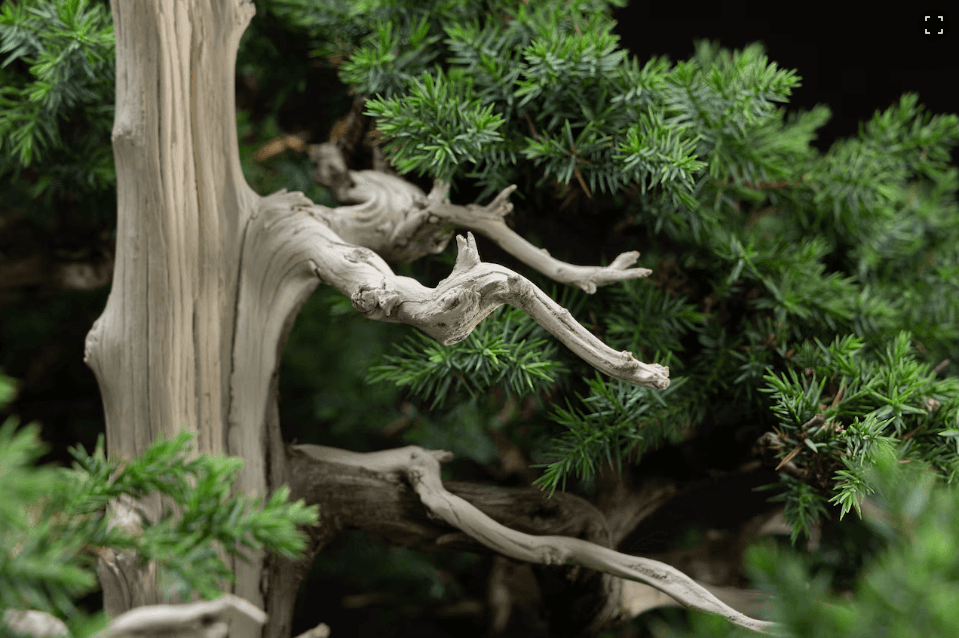
In the heart of Washington, D.C., at the National Bonsai and Penjing Museum within the National Arboretum, lies a living testament to the ancient art of bonsai: Goshin, a breathtaking miniature forest that has captivated visitors for decades. This remarkable creation, meaning "protector of the spirit" in Japanese, was the brainchild of renowned Japanese American bonsai artist John Naka. Started over 70 years ago, Goshin is not just a work of art but a symbol of dedication, care, and the enduring legacy of its creator.
The Genesis of Goshin
Goshin's journey began when John Naka, inspired by his grandchildren, transformed a mature juniper tree into the centerpiece of a miniature forest. Over two decades, he carefully added ten more trees, each one a tribute to his grandchildren. This intricate arrangement, standing nearly five feet tall at its highest point, is a marvel of bonsai artistry. Naka's vision was not only to create a beautiful piece but also to honor his family and share the beauty of nature in a condensed form.
The Art of Bonsai
Bonsai, an art form with roots in ancient Japan, requires patience, precision, and a deep understanding of nature. It involves cultivating small trees to mimic their larger counterparts, often incorporating techniques like jin (stripped branches) and shari (barkless trunks) to create the illusion of age and weathering. Another crucial element is nebari, the exposed roots that flare out from the base of the tree, giving smaller trees a majestic appearance.
Preserving a Legacy
John Naka passed away in 2004, but his legacy lives on through Goshin. Before his passing, he dedicated himself to teaching curators at the National Bonsai and Penjing Museum how to care for his beloved creation. Michael James, a curator at the museum, emphasizes the ongoing challenge of maintaining Goshin: "For a tree to be healthy, you have to let it grow out and gain strength. But when you do that, it gets out of shape. It doesn’t look like a bonsai anymore, so then you have to cut it back." This delicate balance ensures that Goshin remains vibrant and true to Naka's vision.
A Living Art
Naka often referred to bonsai as a "living art," a concept that resonates deeply with Goshin. This miniature forest is not static; it evolves with each passing year, requiring constant care and attention. The museum's dedication to preserving Naka's work means that Goshin will continue to thrive, serving as a testament to the enduring power of art and nature.
The Enduring Impact of John Naka
Born in Fort Lupton, Colorado, John Naka discovered bonsai after moving to Japan with his family at the age of eight. His grandfather introduced him to this ancient art, which would become his life's passion. Naka returned to the United States, eventually settling in Los Angeles, where he co-founded the California Bonsai Society. His influence on bonsai in North America is immeasurable, and Goshin stands as a crowning achievement of his career.
Today, Goshin remains one of the world's most renowned bonsai arrangements, attracting visitors from around the globe. It is a reminder that even the smallest creations can hold immense beauty and significance, and that the art of bonsai is truly timeless.
Source:
Becky Little, National Geographic https://www.nationalgeographic.com/culture/article/bonsai-tree-forest-art
Image Credit: Rebecca Hale