
Politics
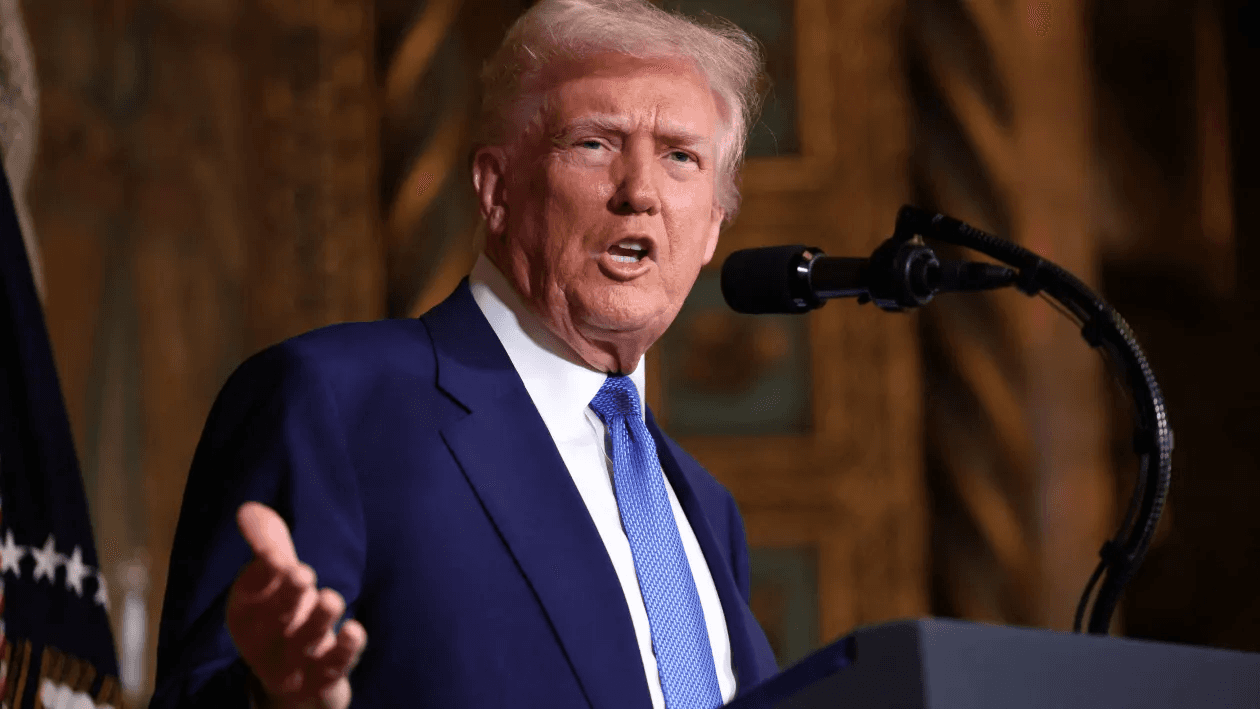
In a significant escalation of his trade policy, President Donald Trump has announced plans to impose tariffs on a wide range of imported goods, including automobiles, pharmaceuticals, and semiconductors. The proposed tariffs, which could start as early as April 2, are set to begin at 25% and could increase substantially over the course of a year.
Trump's remarks, made to reporters on Tuesday, suggest a broadening of the administration's aggressive trade stance, which has already included tariffs on steel and aluminum imports. The new tariffs could have far-reaching implications for major auto exporters like Mexico, Japan, and Canada, as well as pharmaceutical manufacturers in Japan and India.
Impact on Automobiles
The auto industry is likely to be significantly affected, with Mexico, Japan, and Canada being the largest exporters of vehicles to the U.S. While Trump did not specify whether the tariffs would apply to all vehicles or be targeted at specific countries, the move could lead to increased costs for U.S. consumers and potentially disrupt global supply chains.
Trump emphasized that companies relocating their manufacturing to the U.S. would avoid these tariffs, encouraging foreign firms to invest domestically. "When they come back into the United States and they have their plant or factory here, there is no tariff," he noted.
Pharmaceutical Tariffs
The imposition of tariffs on pharmaceuticals could have complex consequences, particularly for Japan and India, which are major suppliers to the U.S. market. Analysts warn that these tariffs might drive up drug prices for U.S. patients and exacerbate existing drug shortages. Ophelia Chan, a senior business fundamentals analyst at GlobalData, observed that companies might respond by relocating manufacturing and trials to the U.S. or other tariff-free countries, though the full effects remain uncertain.
Semiconductor Tariffs
Trump also mentioned potential tariffs on semiconductors, which could impact major players like Taiwan Semiconductor, a key supplier to companies such as Nvidia and Apple. However, he did not provide a timeline for when these tariffs might be implemented.
Economic Strategy
Trump's strategy is part of a broader effort to attract foreign companies back to the U.S. through economic incentives and tariffs. He claimed that several major international companies have expressed interest in relocating to the U.S. due to these policies.
As the global trade landscape continues to evolve, Trump's aggressive tariff policies are likely to remain a focal point of economic debate and negotiation.
Source:
Jeff Cox, CNBC https://www.cnbc.com/2025/02/19/trump-suggests-25percent-tariffs-on-autos-pharma-and-semiconductors-that-could-go-even-higher.html
Image Credit: Kevin Lamarque | Reuters