
World
Politics
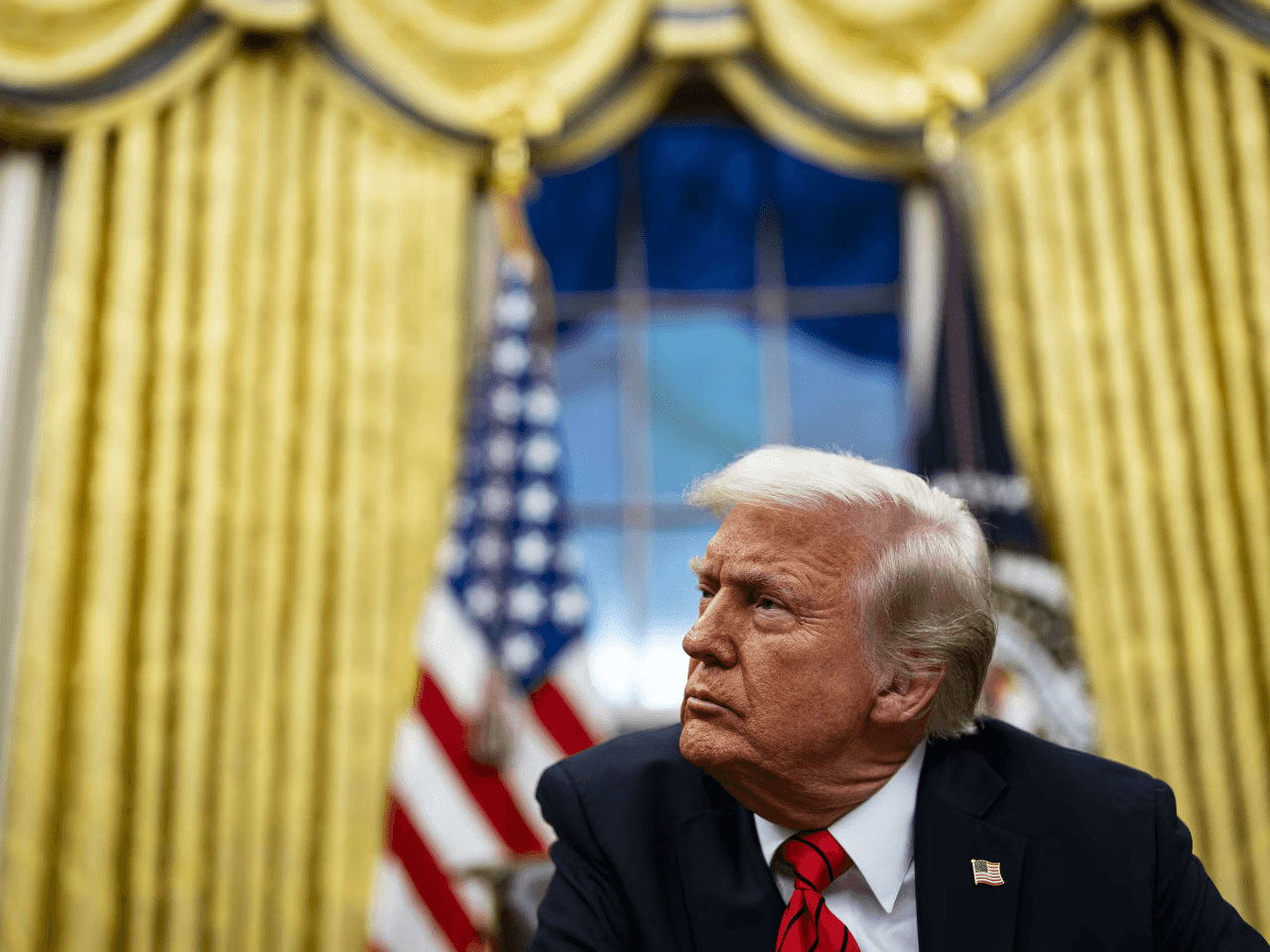
In the realm of international trade, the concept of reciprocal tariffs has been a contentious issue, particularly during the presidency of Donald Trump. Trump's administration proposed a reciprocal tariff policy aimed at addressing what they perceived as unfair trade practices by other countries. This approach was designed to ensure that U.S. exporters faced the same tariff rates abroad as foreign exporters faced in the U.S. However, the implications of such a policy on U.S. exports were complex and multifaceted.
Background on Reciprocal Tariffs
Reciprocal tariffs are tariffs imposed by one country on another country's goods in response to similar tariffs imposed by that country. The idea is to create a level playing field by mirroring the tariffs that U.S. exporters face in foreign markets. Trump's proposal was part of a broader strategy to renegotiate trade agreements and reduce the U.S. trade deficit.
Impact on U.S. Exports
Trade Tensions: The reciprocal tariff policy led to increased trade tensions with major trading partners like China, the European Union, and Canada. These tensions resulted in retaliatory tariffs on U.S. exports, affecting industries such as agriculture and manufacturing.
Economic Consequences: The imposition of tariffs on both sides can lead to higher costs for consumers and businesses, potentially reducing demand for U.S. exports. This can have a negative impact on economic growth and employment in sectors heavily reliant on international trade.
Market Access: While the goal was to improve market access by reducing foreign tariffs, the policy also risked limiting U.S. access to foreign markets due to retaliatory measures. This could undermine the competitiveness of U.S. exporters in the global market.
Trade Agreements: The reciprocal tariff approach challenged traditional trade agreements and negotiations. It pushed for more bilateral agreements that could better reflect the specific trade conditions between the U.S. and individual countries.
Conclusion
Trump's reciprocal tariff proposal was a significant shift in U.S. trade policy, aiming to address perceived imbalances in international trade. However, its implementation faced challenges, including increased trade tensions and potential economic costs. As the global trade landscape continues to evolve, understanding the implications of such policies remains crucial for businesses and policymakers alike.
Sources:
Gavin Bade, The Wall Street Journal
https://www.wsj.com/economy/trade/trump-reciprocal-tariff-proposal-us-exports-8cf14a93