
Science
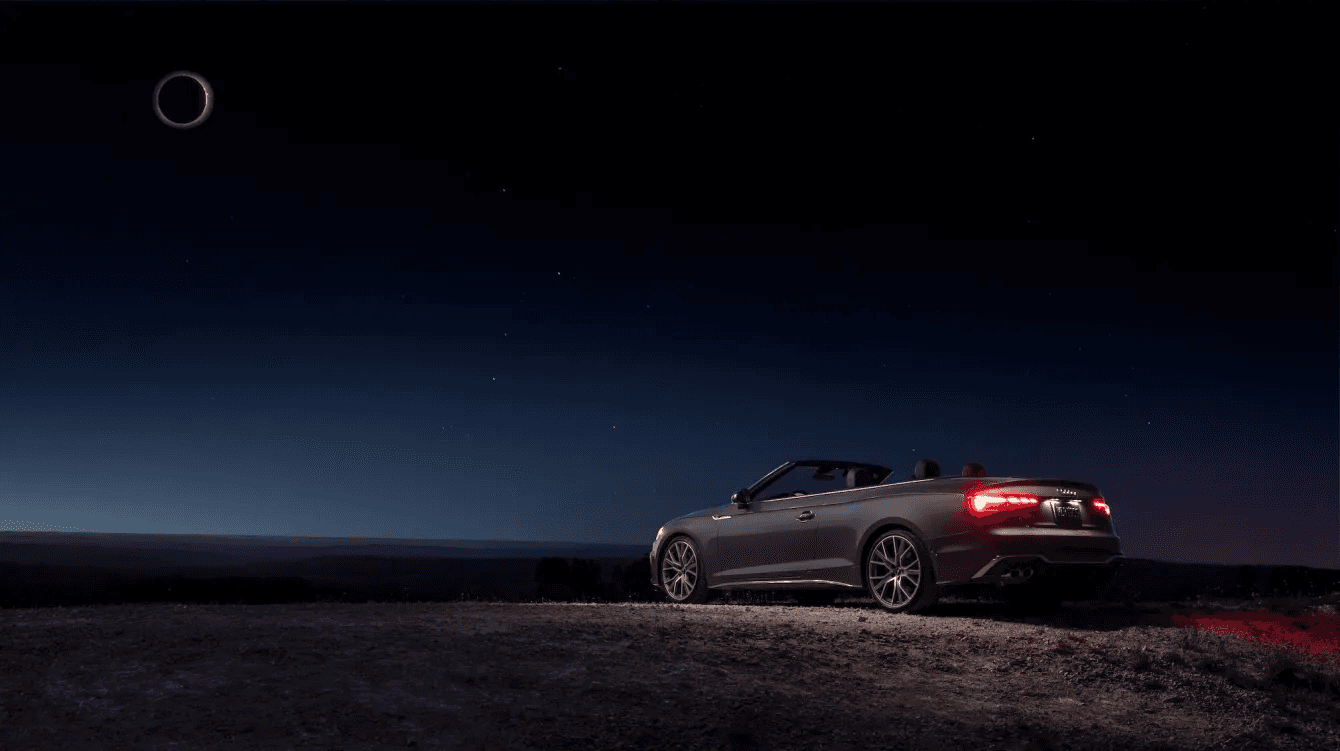
As the world prepared for the rare spectacle of a total solar eclipse, we embarked on an extraordinary journey to experience this celestial event in a unique way—inside an Audi S5 Cabriolet. The open-air convertible provided the perfect setting to immerse ourselves in the full sensory experience of totality, as described by NASA's eclipse expert, Dr. Kelly Korreck. This phenomenon is not just a visual marvel but a whole-body experience that engages temperature, sound, and sight.
The Science Behind the Eclipse
Dr. Korreck, a heliophysicist and NASA's eclipse lead, emphasized the scientific significance of solar eclipses. These events have been pivotal in making groundbreaking discoveries, such as the first detection of helium and the proof of Albert Einstein's theory of general relativity during the 1919 eclipse. This year's eclipse offered scientists a chance to study the sun's impact on the ionosphere, which can affect GPS and communication systems.
The Audi S5 Cabriolet Experience
Our vehicle of choice, the Audi S5 Cabriolet, was equipped with innovative features like Bluetooth-connected seatbelt microphones. These allowed for clear conversations even with the top down, making it easier to discuss the eclipse with experts like Dr. Korreck. The car's GPS system remained stable throughout, unaffected by the ionospheric disturbances that can occur during eclipses.
As we waited for the clouds to clear, the anticipation was palpable. The moon's shadow began to cast its spell, and the temperature dropped significantly. The heated headrest in the Audi proved to be a welcome feature, providing warmth as the chill set in. The eclipse is more than just a visual spectacle; it's an immersive experience that includes a measurable sound component. The sudden darkness was accompanied by an eerie silence, punctuated by the occasional sounds of animals adjusting to the unusual light.
The Moment of Totality
As totality approached, the sky darkened, and an unsettling stillness fell over the landscape. The animals quieted, and for a few magical minutes, time seemed to stand still. We witnessed solar flares peeking from behind the corona, and Venus appeared below the sun. The Audi's headlights and taillights cast a unique pattern in the sudden darkness, adding to the surreal atmosphere.
This eclipse was particularly notable for occurring during the period of "solar maximum," when the sun is most active. The possibility of seeing "streamers," bright pink curls emanating from the sun, added to the excitement among scientists. The eclipse's duration of four and a half minutes was longer than the 2017 event but shorter than the six minutes expected in 2045.
A Rare and Special Event
Eclipses are rare occurrences, happening about every 18 months somewhere in the world, but they are extremely rare in the same location, occurring every 400 to 1,000 years. Dr. Korreck noted that any specific town or city typically experiences a total solar eclipse only once in several centuries. The last total solar eclipse in Austin, Texas, for instance, was over 600 years ago, and the next one won't occur until 2343.
As the eclipse came to an end and daylight returned, the experience left an indelible mark. It was a reminder of the awe-inspiring beauty and scientific significance of these celestial events. Whether you're a scientist or simply someone who appreciates the wonders of the universe, witnessing a total solar eclipse is an experience that transcends mere observation—it's a full-body immersion into the cosmos.
Source:
Kristin Shaw, Popular Science https://www.popsci.com/technology/eclipse-audi-convertible/
Image Credit: Andi Hedrick/Audi